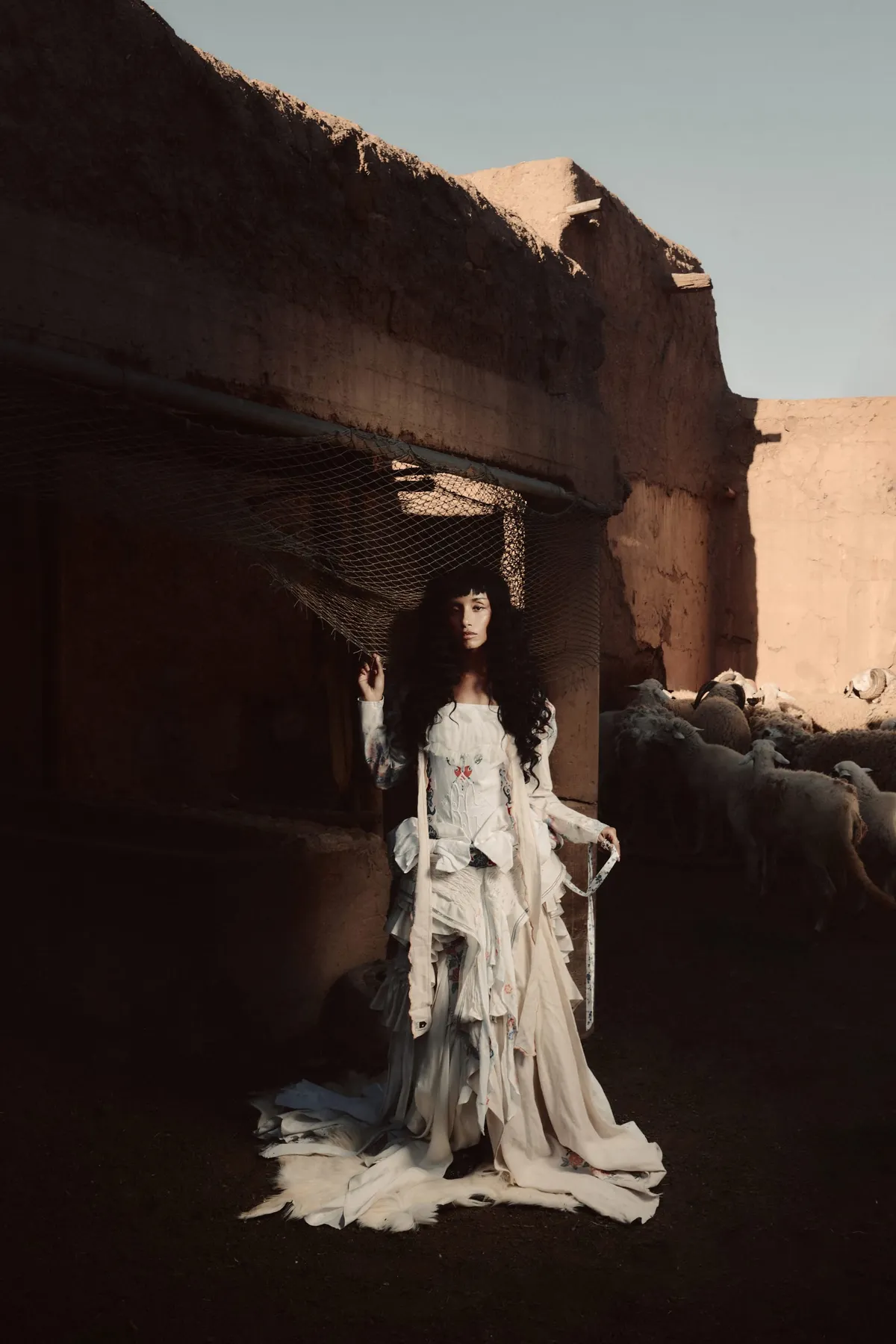
For Lili Brune, founder and creative director of Maison Lili Brune, fashion transcends mere clothing; it’s a messenger, a tool, a form of art and increasingly a means of liberation. Her mission is simple yet profound: to liberate people, especially women, from the constraints of patriarchy.
Brune’s creative journey began early, nurtured by her parents. Her mother, an art therapist, introduced her to museums and studios from a young age, while her father, a photographer, instilled in her a keen eye for beauty. She expresses gratitude for setting her on this creative path;
“they are both artists, and that’s a beautiful gift life has given me.”
This upbringing instilled in her an innate sense of freedom of expression long before she had the language of feminism to articulate it. At just fifteen, she embarked on her first job as a costume-maker for Moulin Rouge, immersing herself in a world where spectacle, femininity and self-expression were inseparable. This early exposure provided her with a profound understanding of the power clothing holds over our perception and self-image.
When asked to summarise her work in three words, Brune responds:
"Feminist, joyful and surrealist".
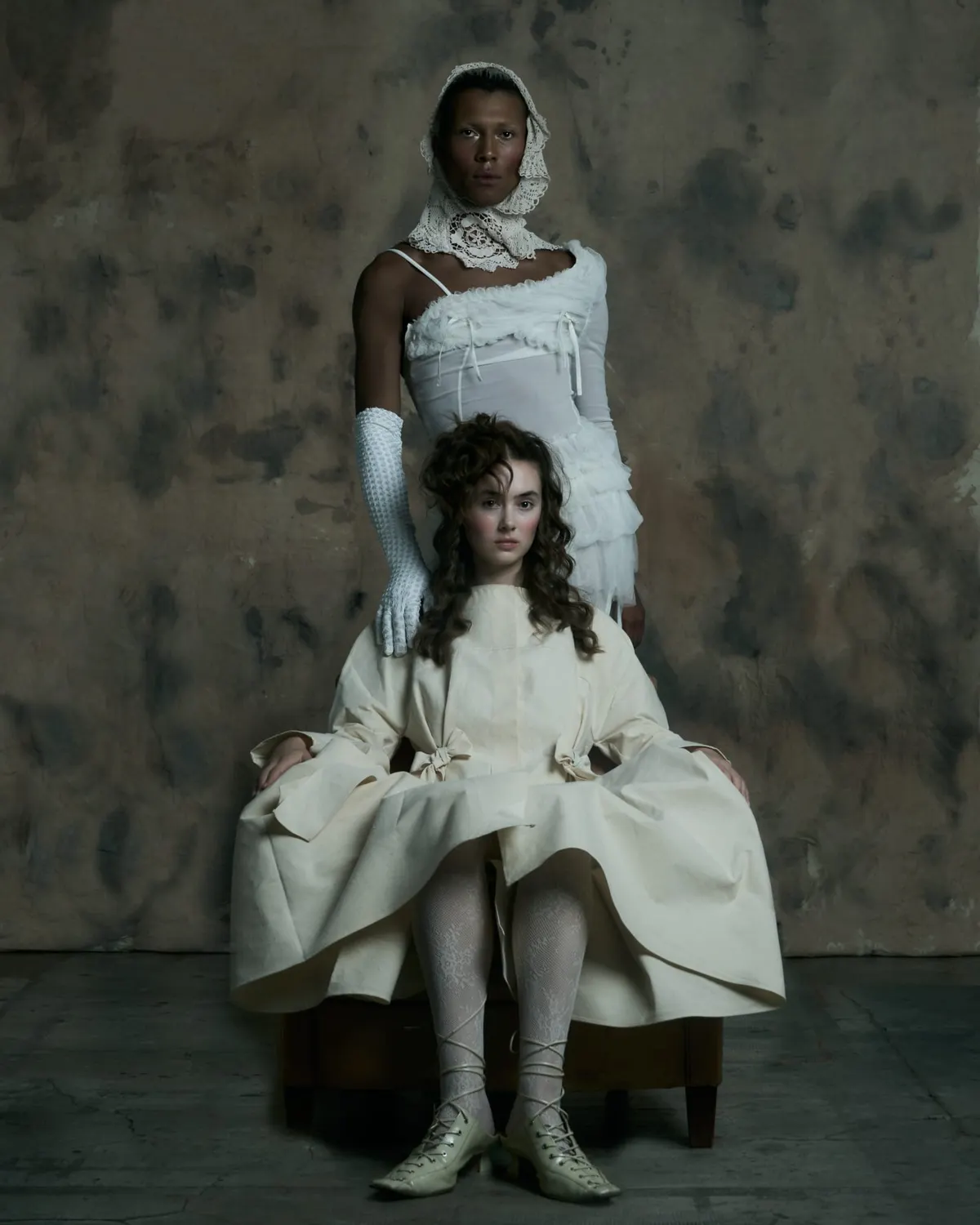
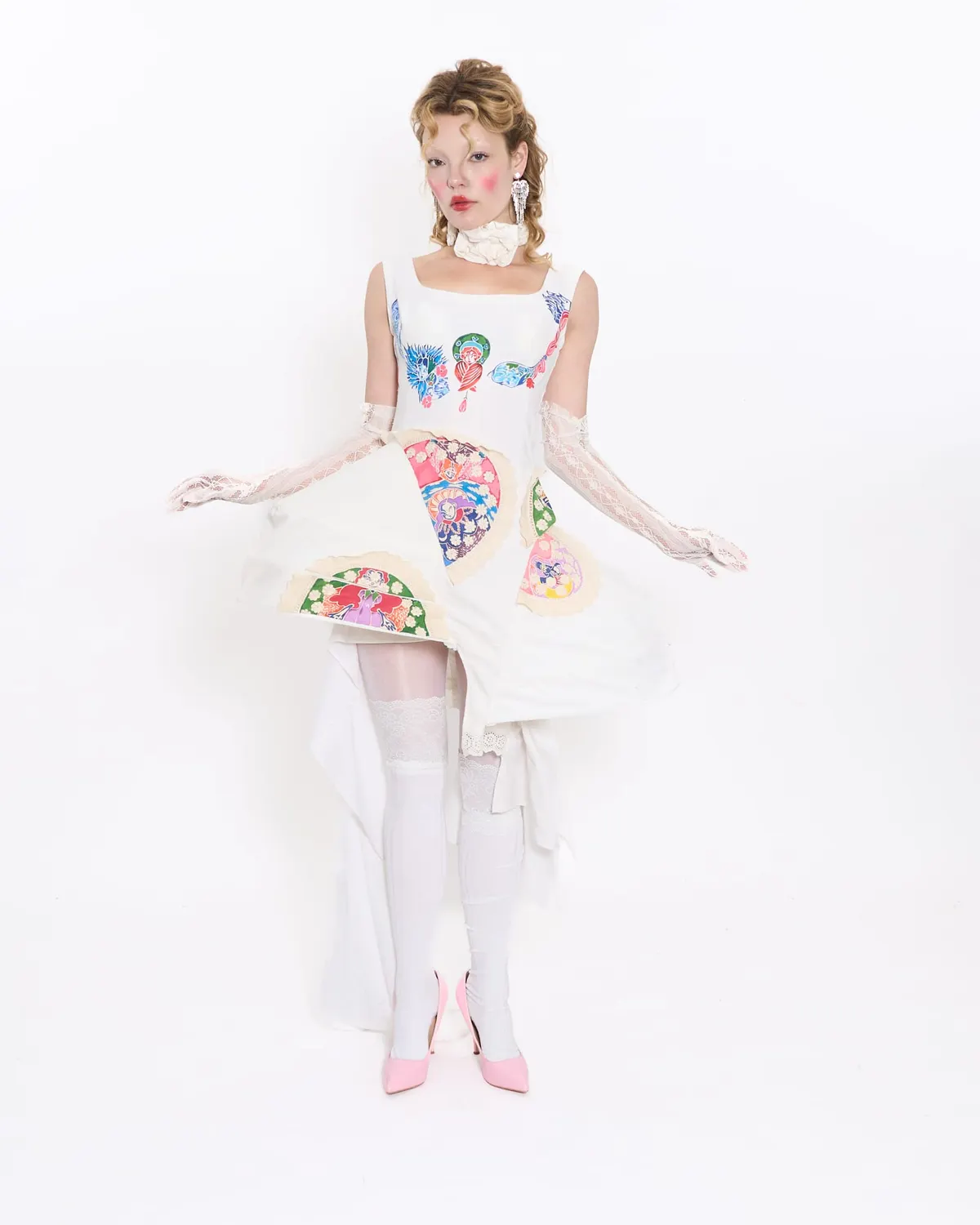
Behind Maison Lili Brune lies a clear intention: eco-feminism blended with empowerment. Her goal is to spread love and liberate people from patriarchy by rehabilitating societal perceptions of “feminine” traits. Brune draws inspiration from a lineage of women and thinkers who have achieved similar feats. She cites Simone de Beauvoir’s The Second Sex, Virginia Woolf’s Orlando, bell hooks’ All About Love, and the visual richness of Rococo art alongside the rebellious silhouettes of Vivienne Westwood. This philosophy is evident in her clothing choices: dresses designed for men, unapologetic use of pink, esoteric symbolism and a deliberate rather than decorative sexiness. Brune reflects on her struggles with her femininity, acknowledging her upbringing as a girly girl and her subsequent growth as a strong feminist. She wants to convey that these elements shaping her identity are not incompatible and aims to embody this in her creations. Brune challenges the long-held perception of femininity as weakness, viewing it instead as a source of power worth reclaiming.
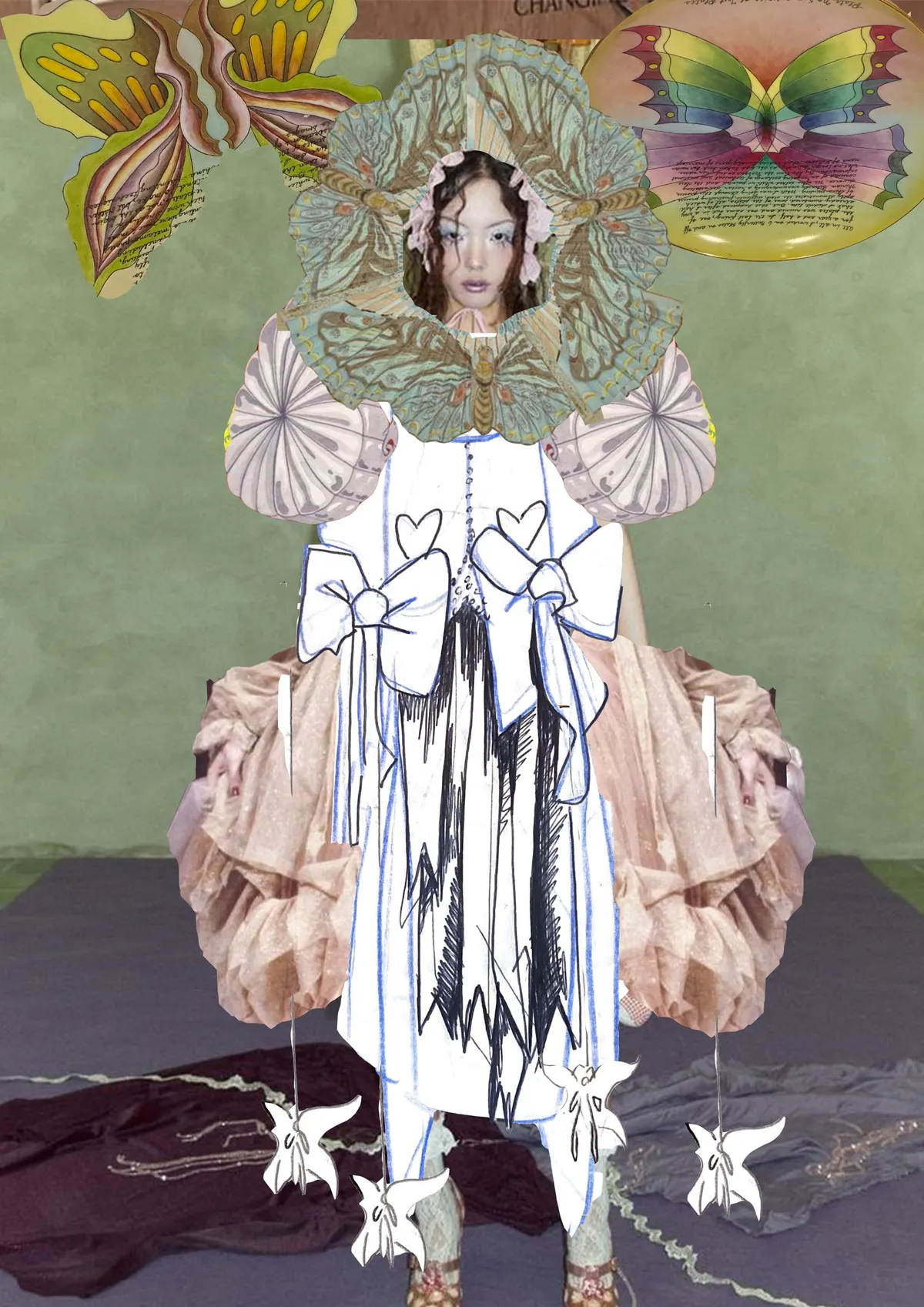
Brune describes herself as someone of extremes, and her creative process mirrors this intensity. She particularly enjoys the beginning of a collection, the collaging, writing and free-thinking before any finalisation. The end, while more painful, holds a special place for her. She likens it to giving birth, "and the very last feeling is something so precious that you keep it all your life in your heart".
This same intensity fuels her advice to other creatives to embrace their quirks
"The weirdest parts of yourself are the best materials for your art. I strongly believe that, as an artist, your role is to resonate through other humans, and that art is healing".
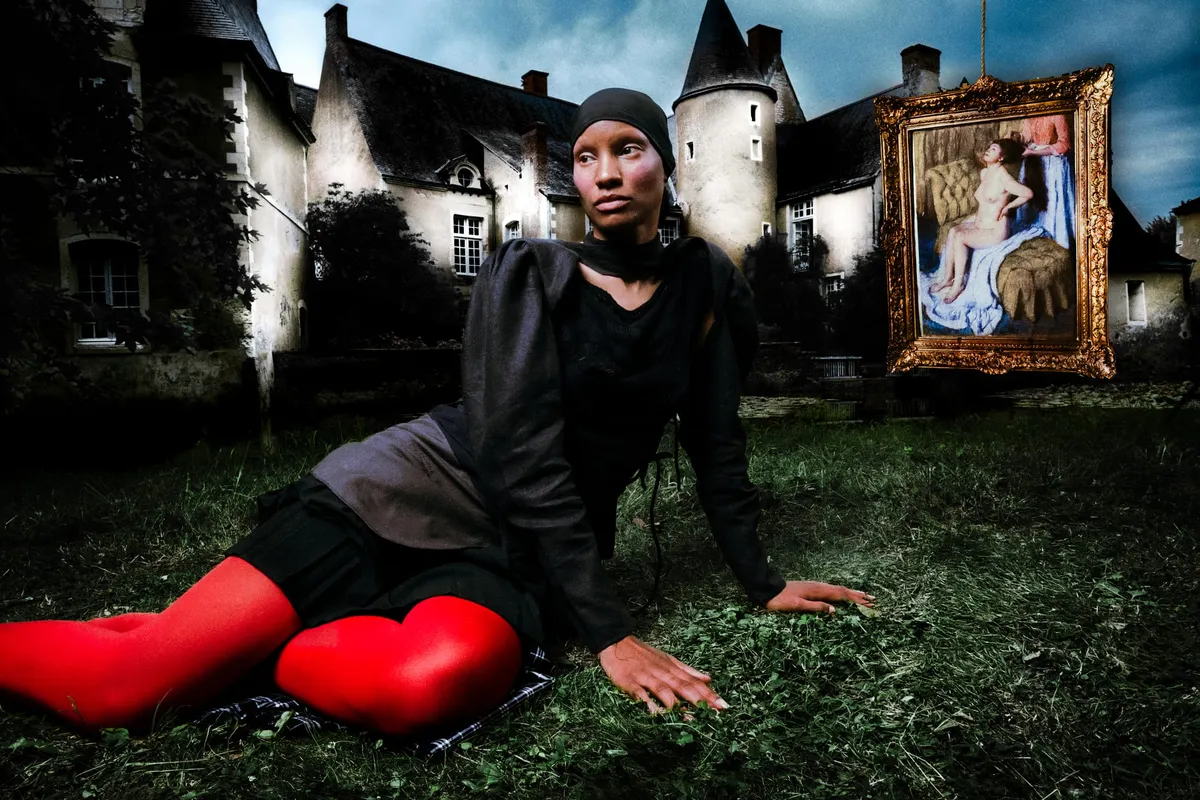
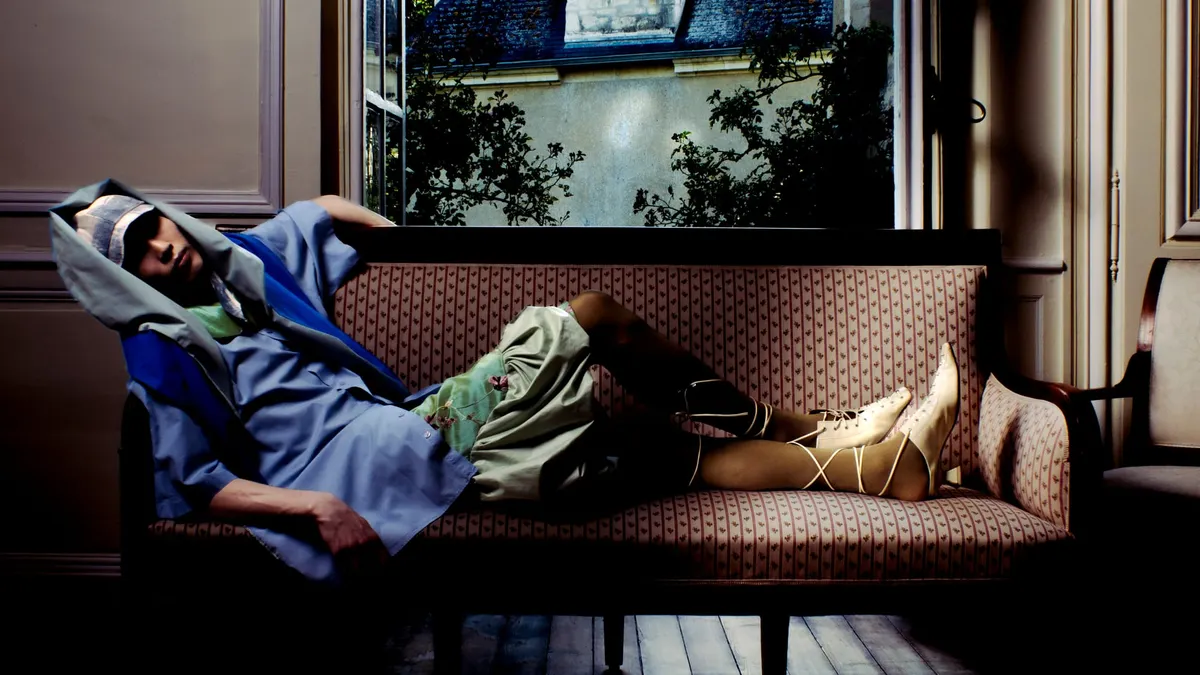
Reflecting on her journey, Brune highlights a recent trip to Hong Kong supported by the Redress Design Award. Here she presented Maison Lili Brune to international platforms and retailers, a significant milestone that reflects a broader industry shift she envisions. Brune is vocal about fashion’s problematic practises, including the unsustainable Fashion Week cycle, ready-to-wear pricing that obscures modern exploitation and the industry’s substantial contribution to climate change. She believes upcycling and eco-materials should be mainstream, not niche, and higher, more transparent pricing should be recognised.
Brune’s next venture is filmmaking, a medium she’s long wanted to explore alongside her design practice. She’s carrying the same feminist and surrealist sensibility from her collections into the cinematic realm. This new avenue allows her to express her underlying mission in a fresh and innovative form. Central to her mission is liberation: freeing femininity from shame, fashion from exploitative practices and creativity from fear. For Lili Brune, dismantling patriarchy isn’t a side note but the core of her work.