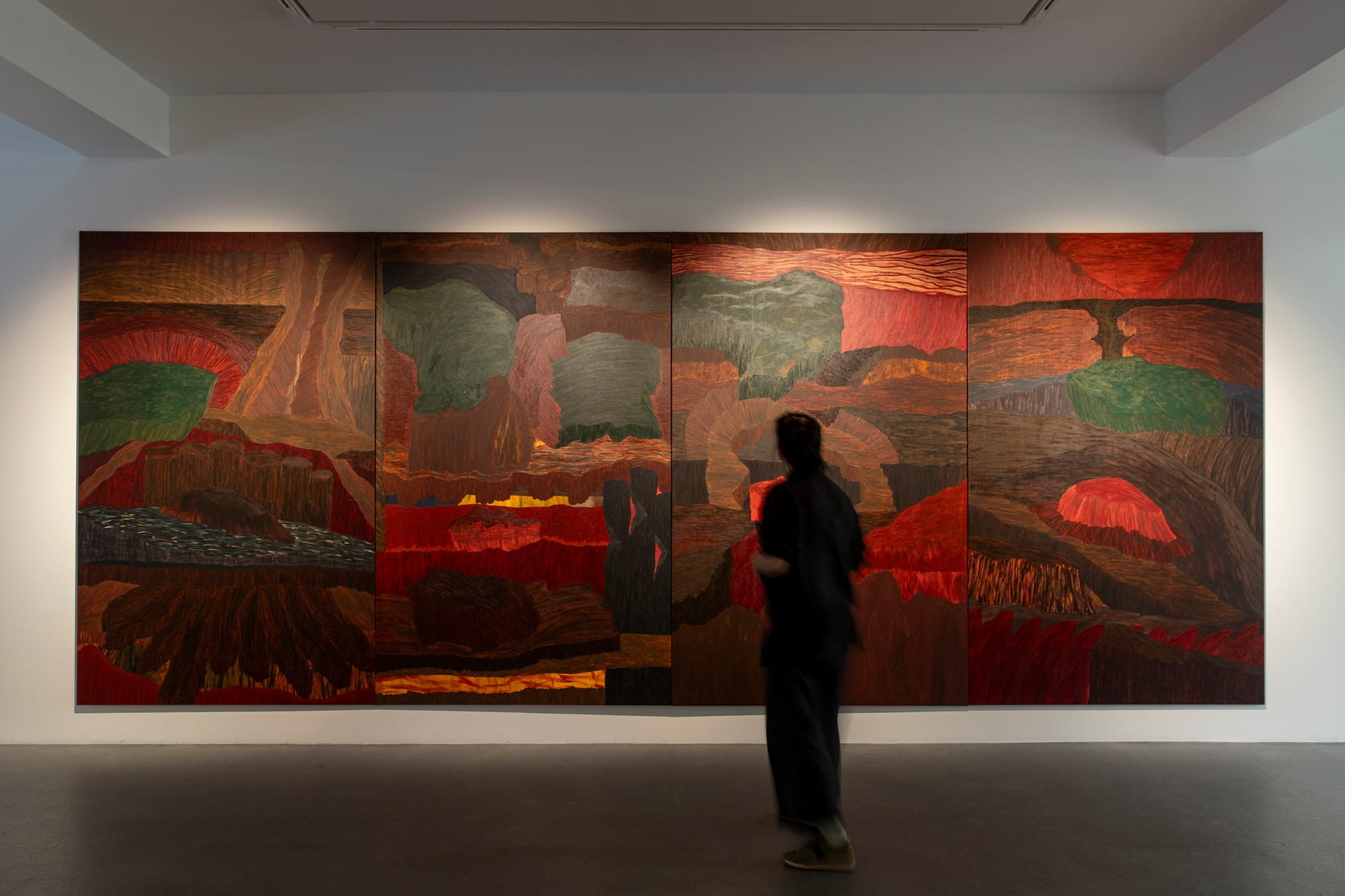
Ísar Svan didn't set out to become a landscape painter. He grew up around glacial rivers, mountain ranges, and long open horizons, and for a while, that scenery was just what ended up on the canvas. Then, still fairly young, something clicked: the landscape wasn't only a subject. It could be a way into memory, identity, whatever it means to actually experience a place rather than just look at it.
That shift still defines how he works. "My paintings are not attempts to represent these places directly," he says. "Instead, they explore what remains after an experience has settled into memory. I am interested in the space between the external landscape and the internal one, the point where the place becomes emotion, memory, and atmosphere." Ask him for three words to describe the work and he'll say: memory, landscape, layers. Not landscape on its own, memory first.
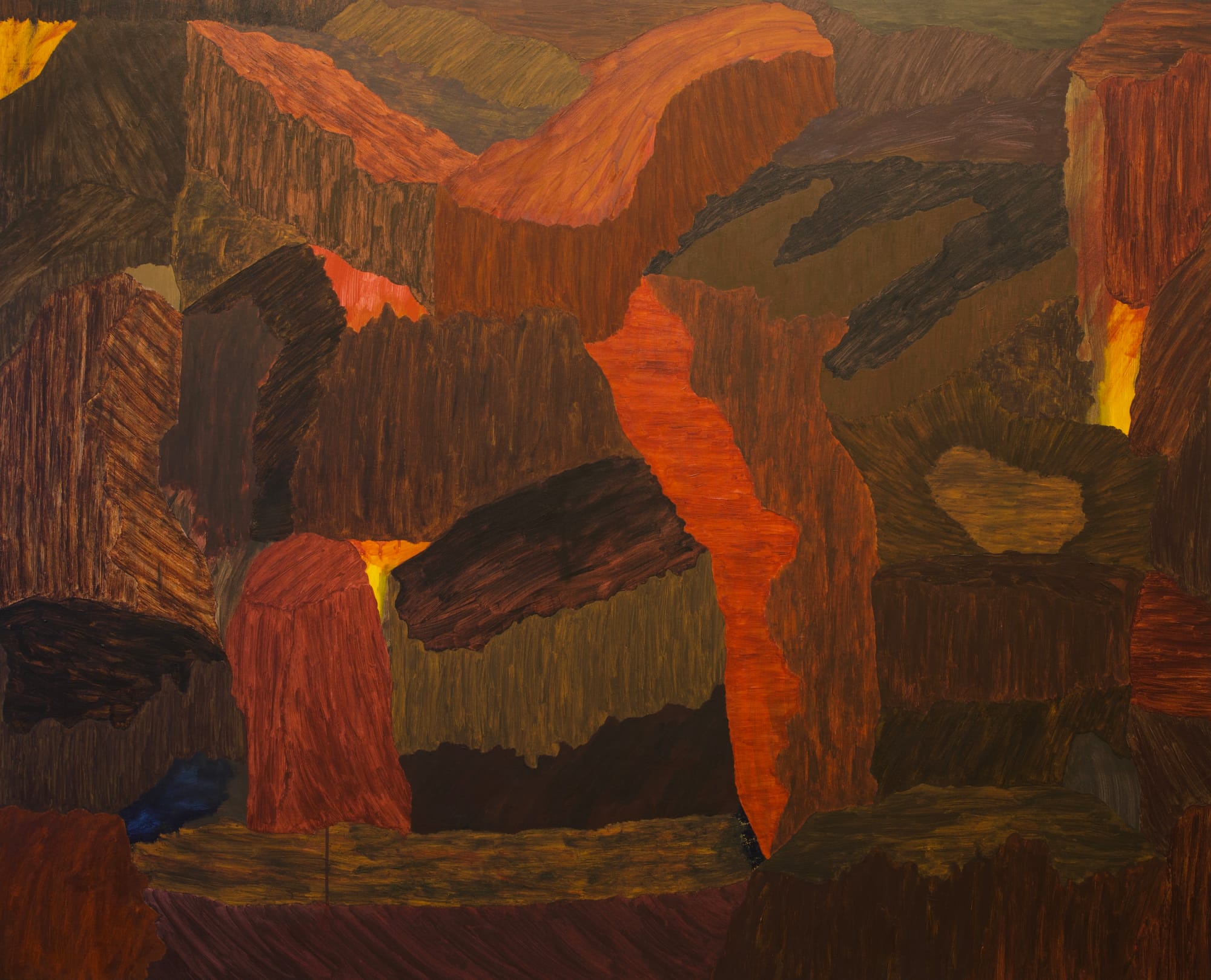
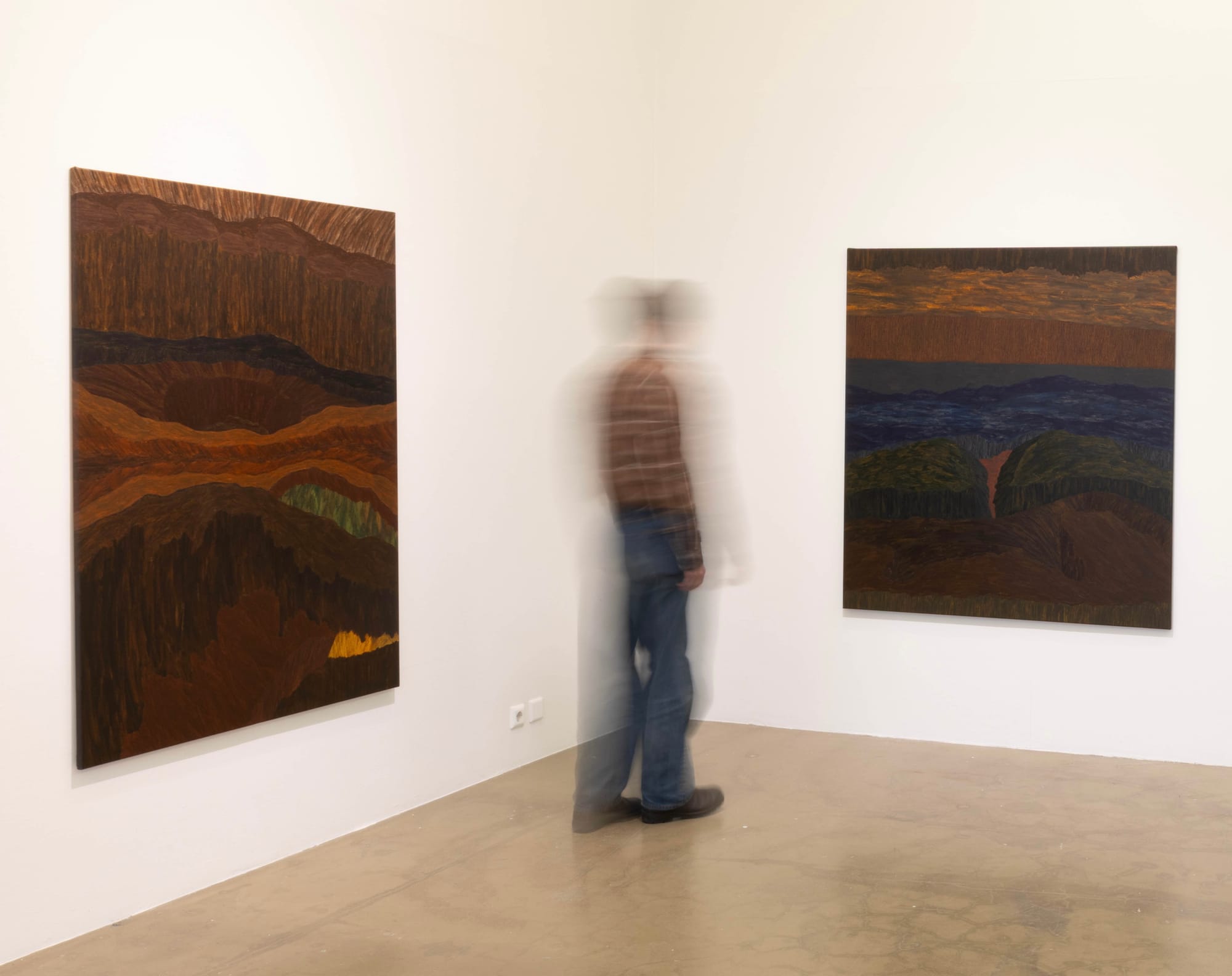
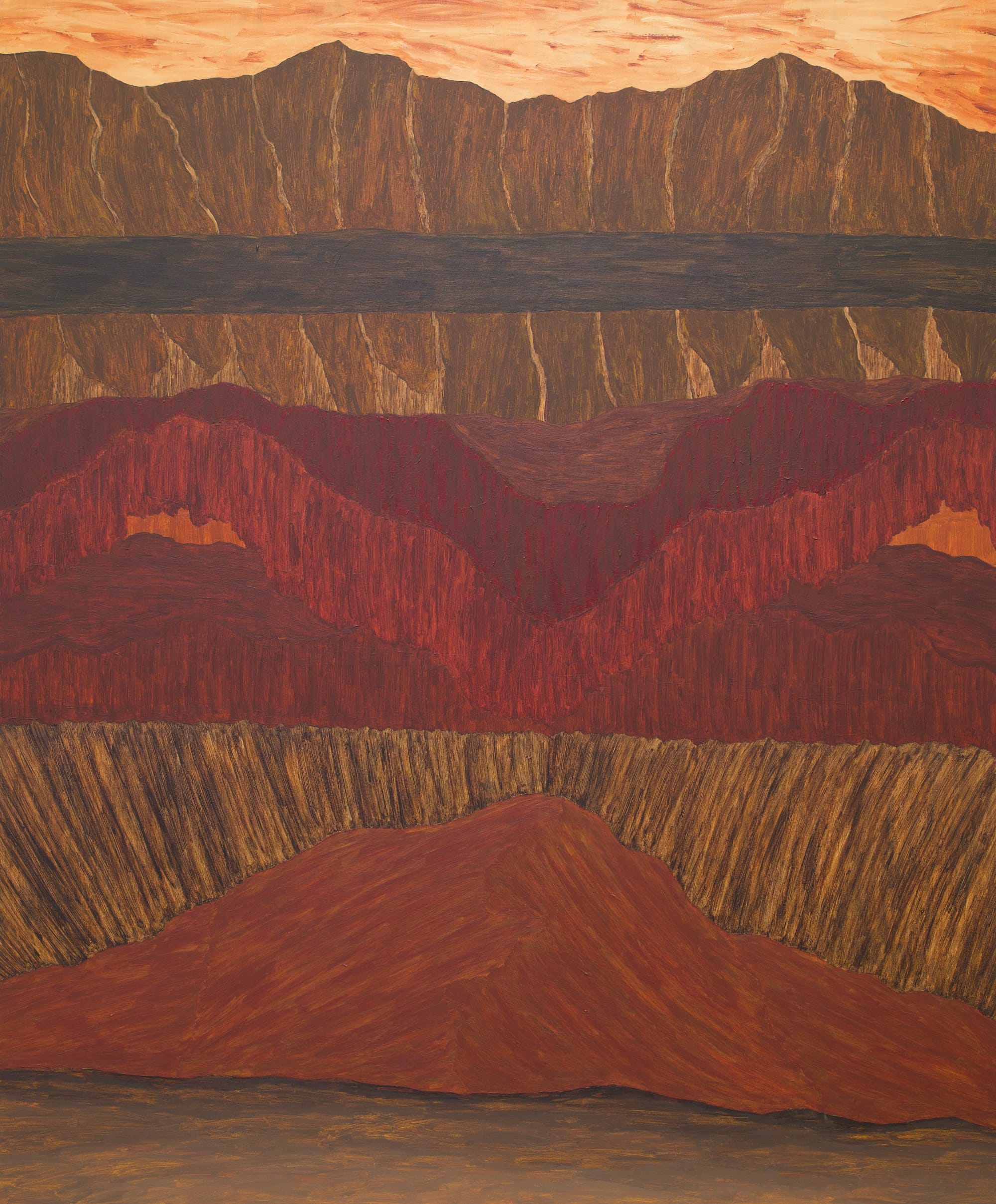
He came to art in the first place because some things are hard to say outright. Images could do what language couldn't, hold emotion and memory at once, without flattening either. Over time, that turned into something closer to a discipline of attention, painting as a way of actually noticing a place, and noticing what a place does to you after you've left it.
Two things keep him coming back to the studio. One is that painting still catches him off guard, even now, after years at it, something unexpected will show up mid-canvas and send the whole piece somewhere he hadn't planned. The other is slower, the physical build-up of paint itself, layer by layer, each one adding to a kind of history the surface carries. He likes working with that history once it's there, going back and forth between what he intends and what his instincts want to do instead.
It's roughly the same advice he'd give anyone starting out. "Do the work. Keep making, even when you're not sure where it's going. Spend time with your work, look at it, question it, and keep coming back to it. I think a lot of finding your own direction happens simply through working, through repetition, mistakes, failures, and small discoveries."
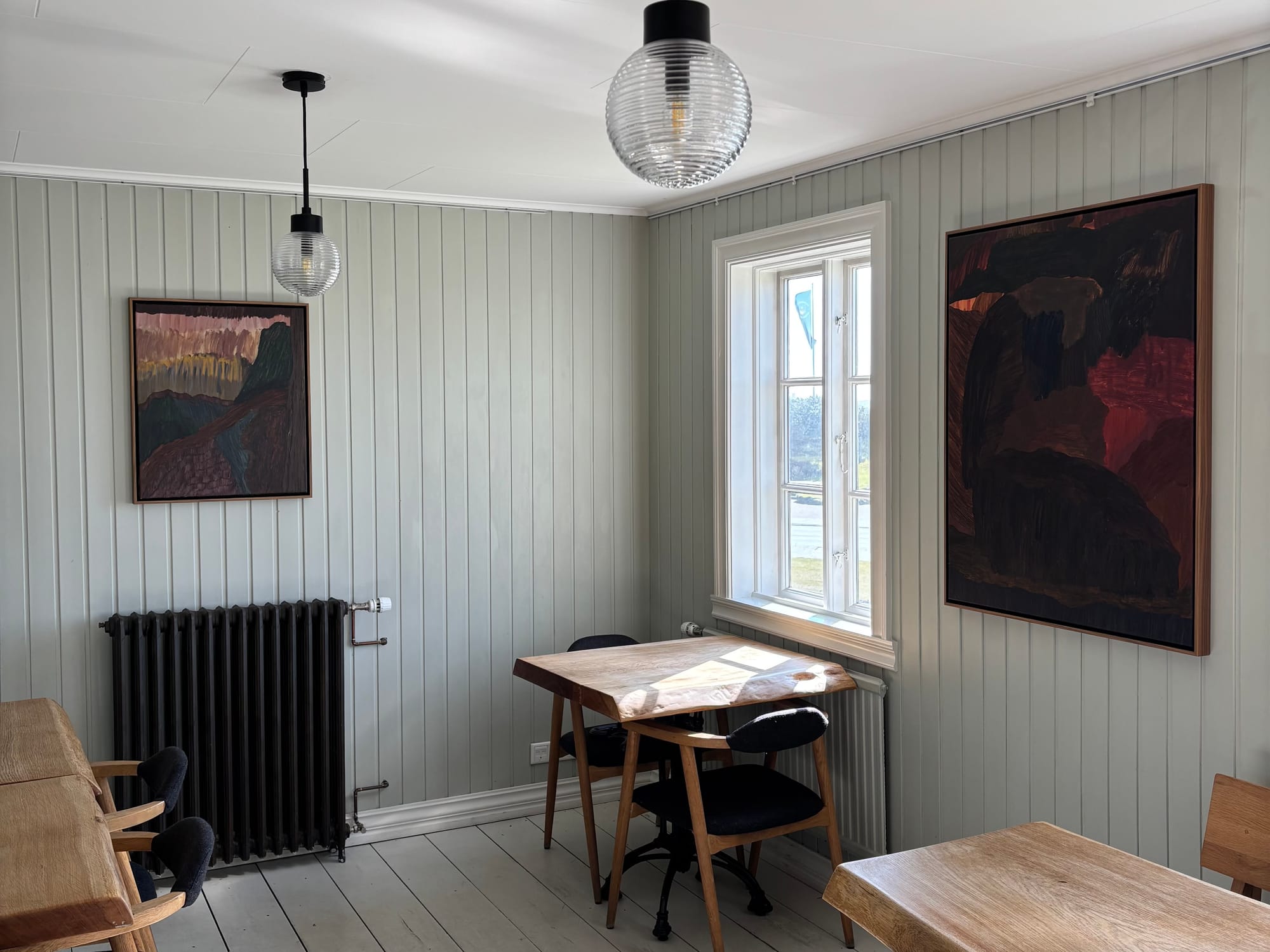
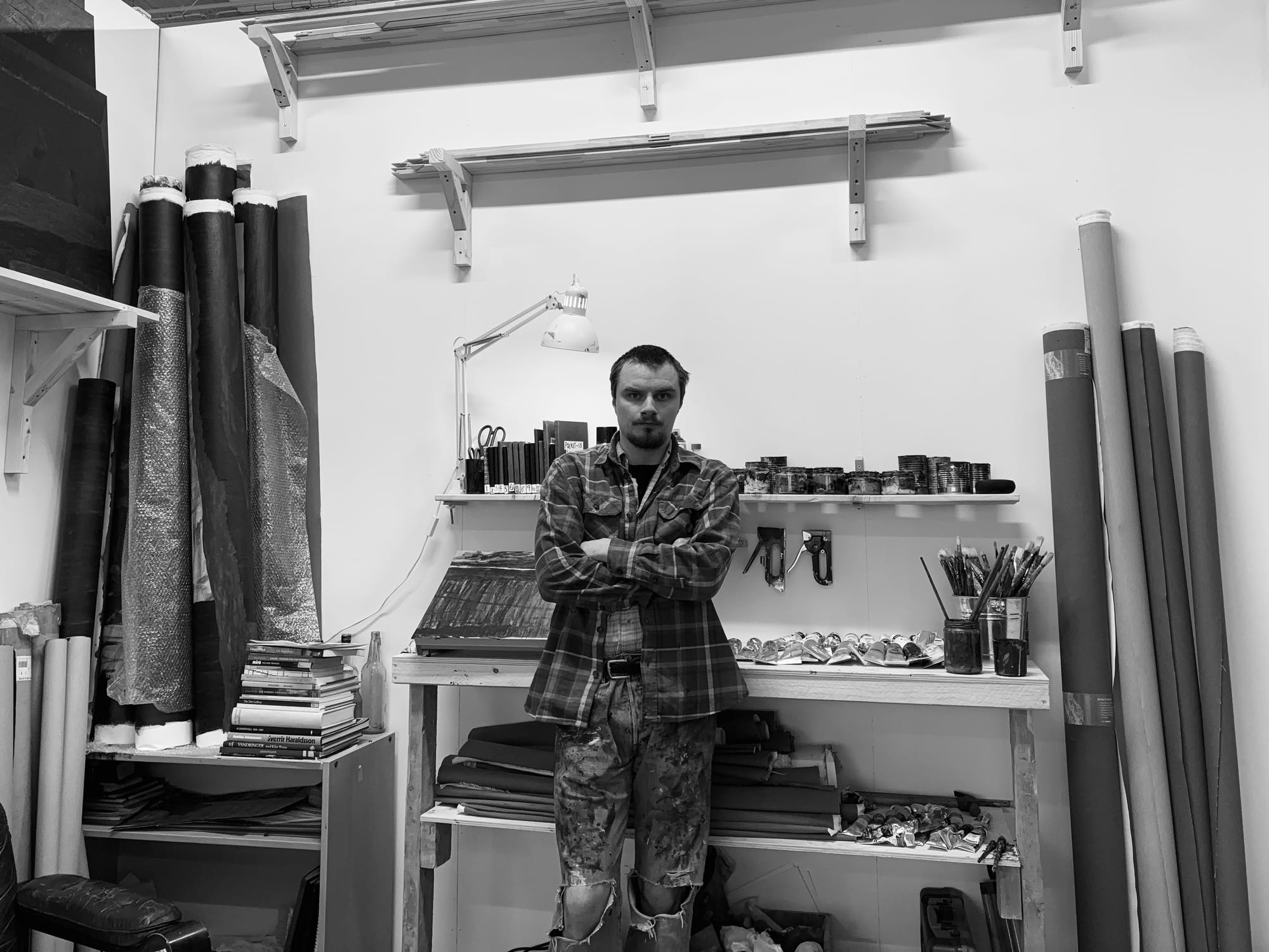
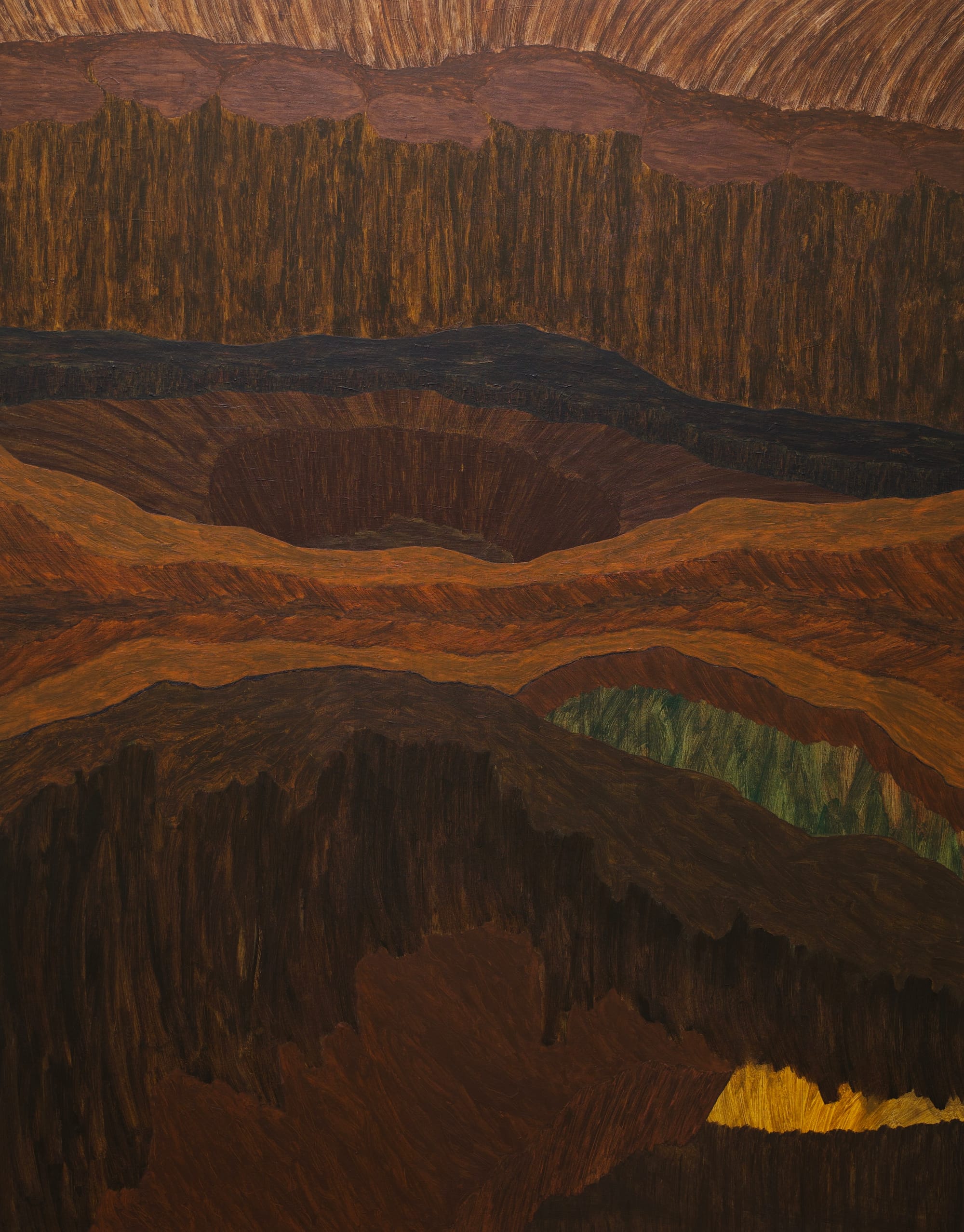
Right now, that means getting ready for a solo exhibition at Þula Hafnartorg Gallery this October, a moment he treats as real progress, not a finish line. He's also weighing a Master's degree or a residency, something that would push the work somewhere it can't currently go on its own. And he's got his eye on new materials: weaving, whose rhythm and repetition feel close to how he already thinks about painting, and video, which handles time in a way canvas simply can't.
If he could change one thing about the art world, it wouldn't be about visibility or sales, it would be pace. He'd like more room for artists to sit with an idea without the pressure to constantly produce and move on. In his view, the best work tends to come from staying with something longer than feels comfortable, not from rushing it into a finished shape.
Follow us on Instagram for more.