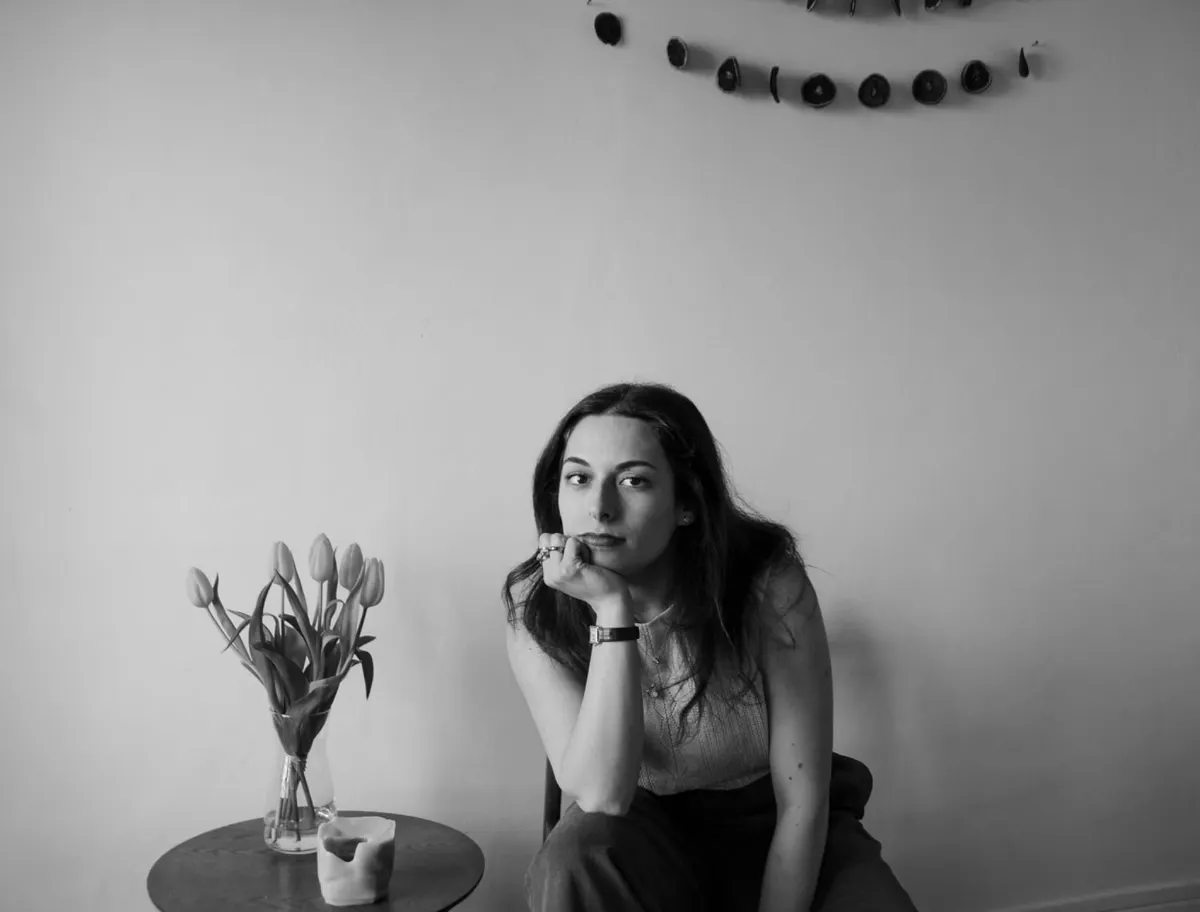
While this feature is ultimately about Paris-based creative Bella Stern, her practice is nothing without her creative partner and collaborator, who goes by the name of Mycelium. You may be thinking, “That’s an odd name,” and that’s because mycelium isn’t a person but rather a root-like network of fungi.
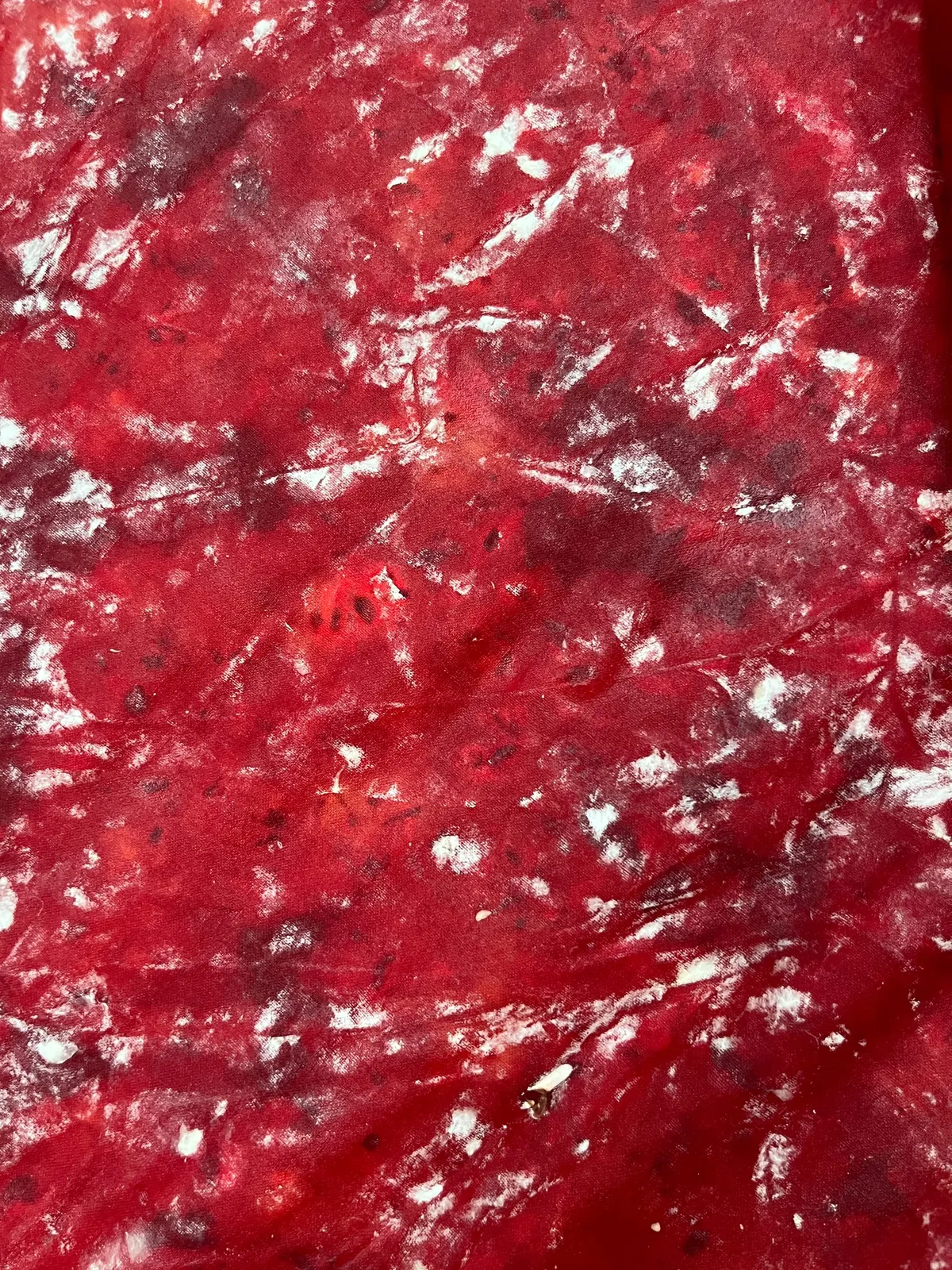
Bella Stern is a bio-designer who describes her work as experimental and unbound. She lets the Mycelium grow and spread naturally, forming the artwork without interference, even after the process is finished. Mycelium is the vegetative, intelligent part of fungi, consisting of thread-like hyphae that branch out in all directions.
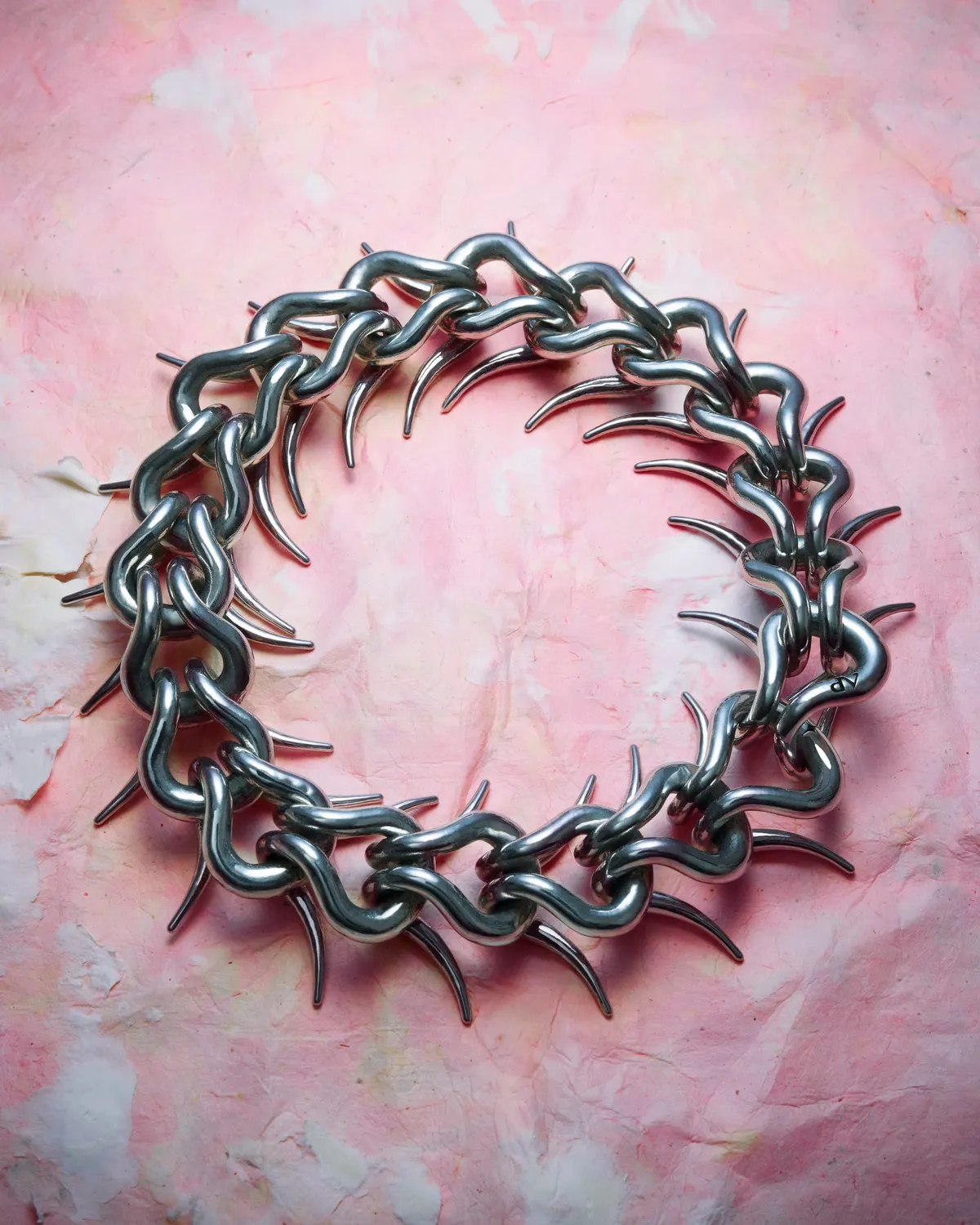
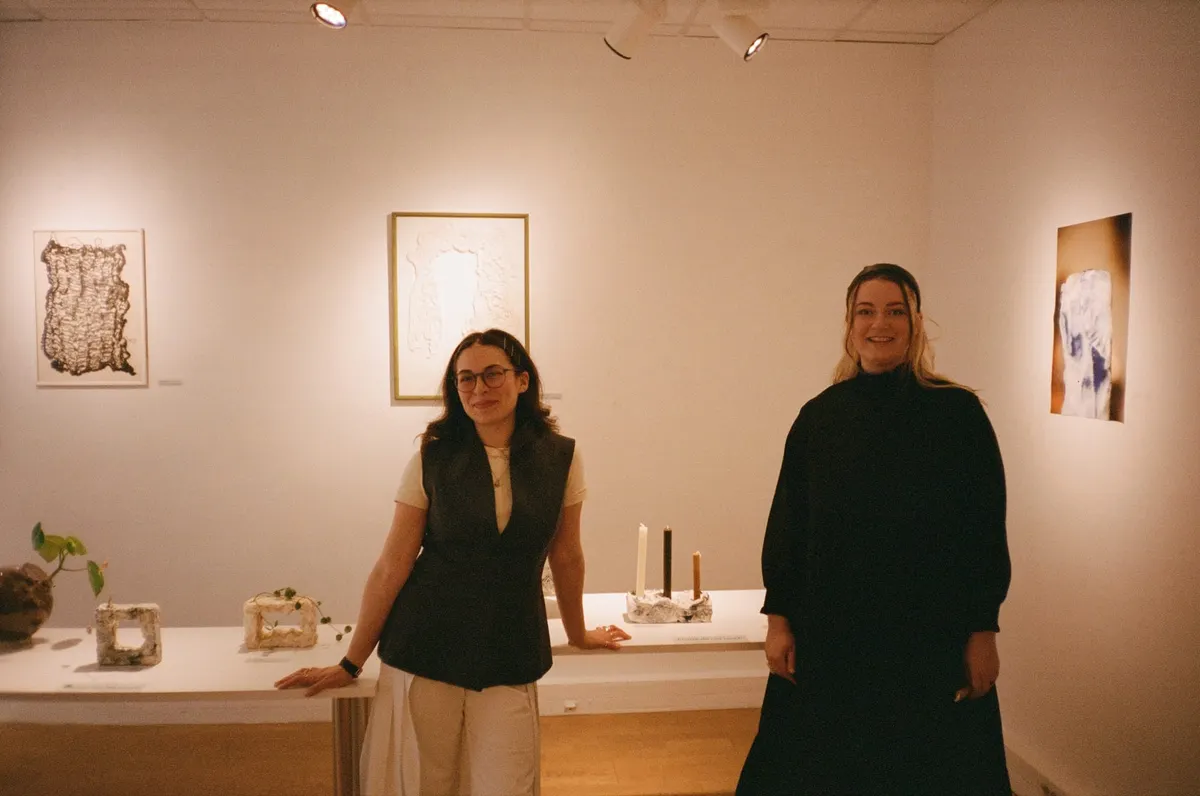
Photographer (Right): Bastien Montbrun
While Bella started working with Mycelium during the pandemic, she only stumbled upon it's degrading qualities in what she calls a“happy accident”, two years ago:
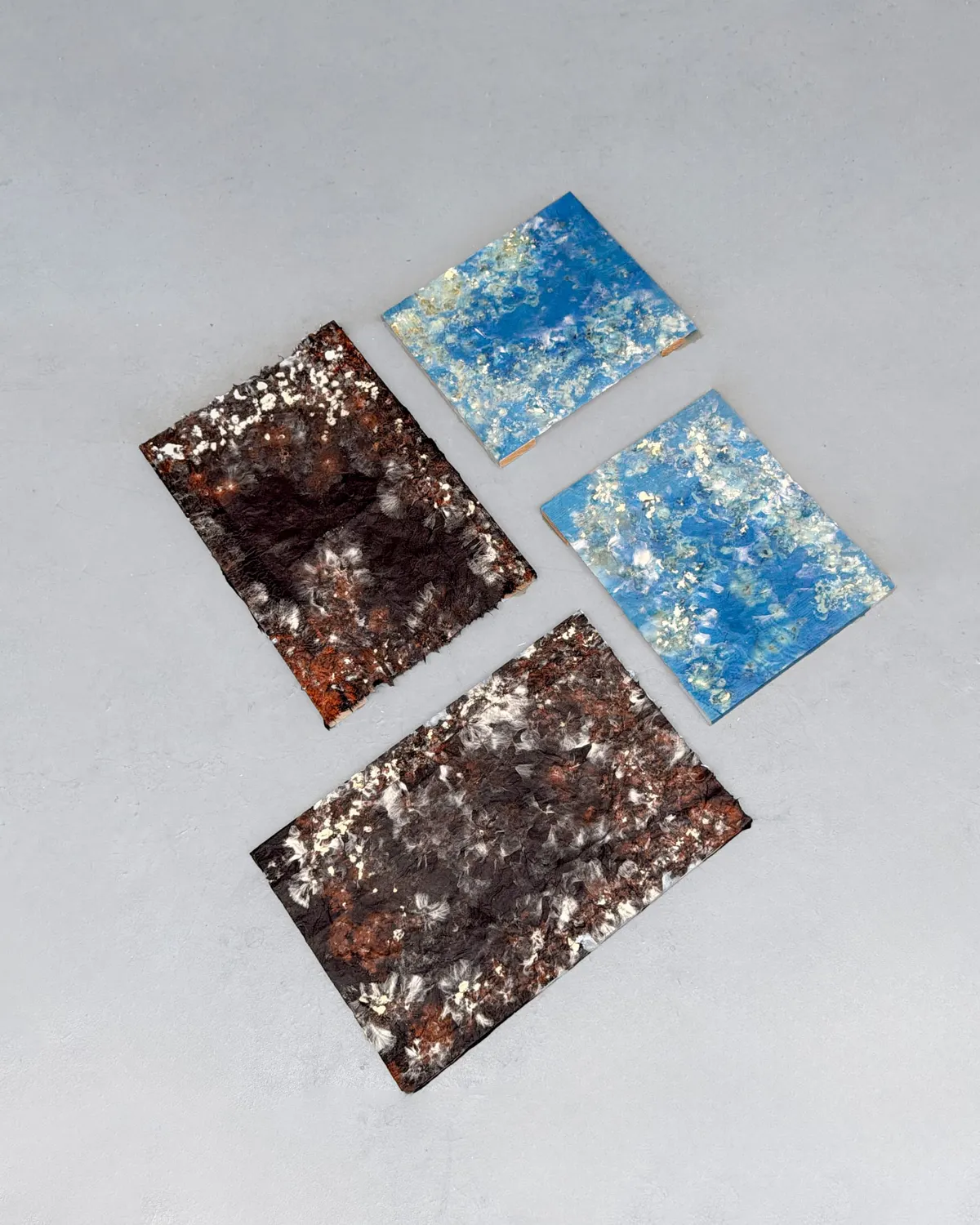
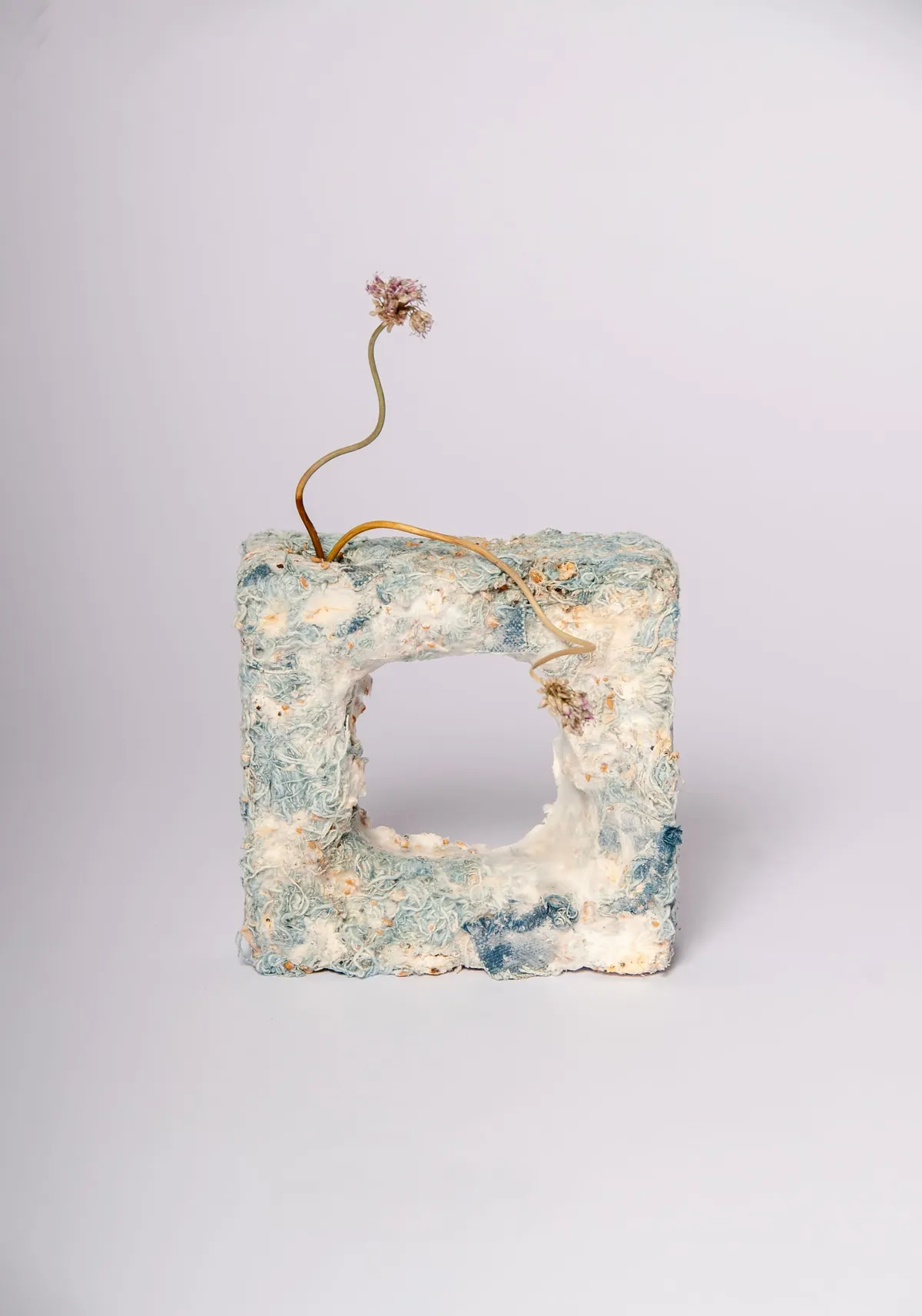
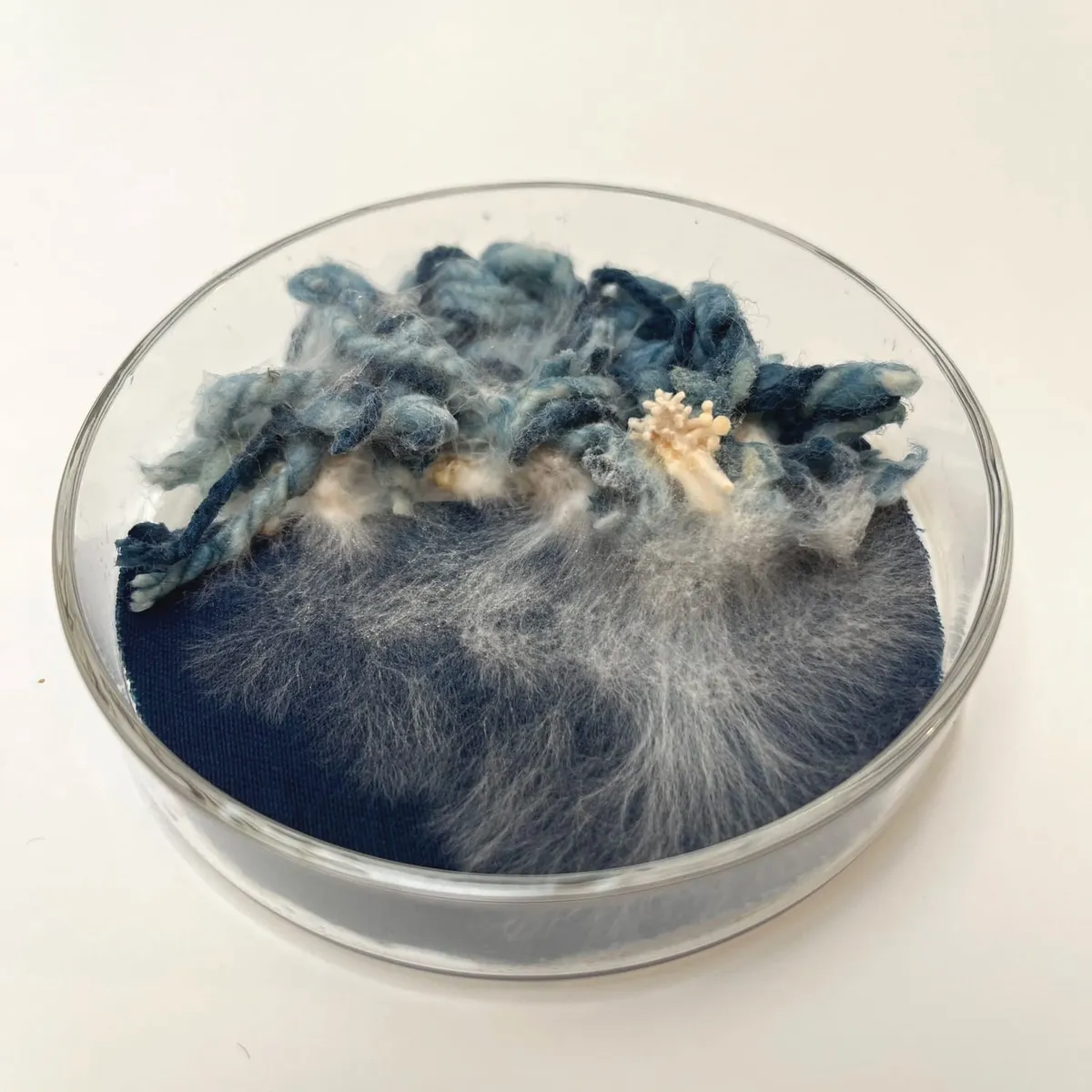
“I was making Mycelia backgrounds for a photo shoot for a jewellery brand and I had left the Mycelium slightly too long on a piece of navy paper, revealing this amazing green/turquoise colour that was left after the Mycelium degraded the navy dye”
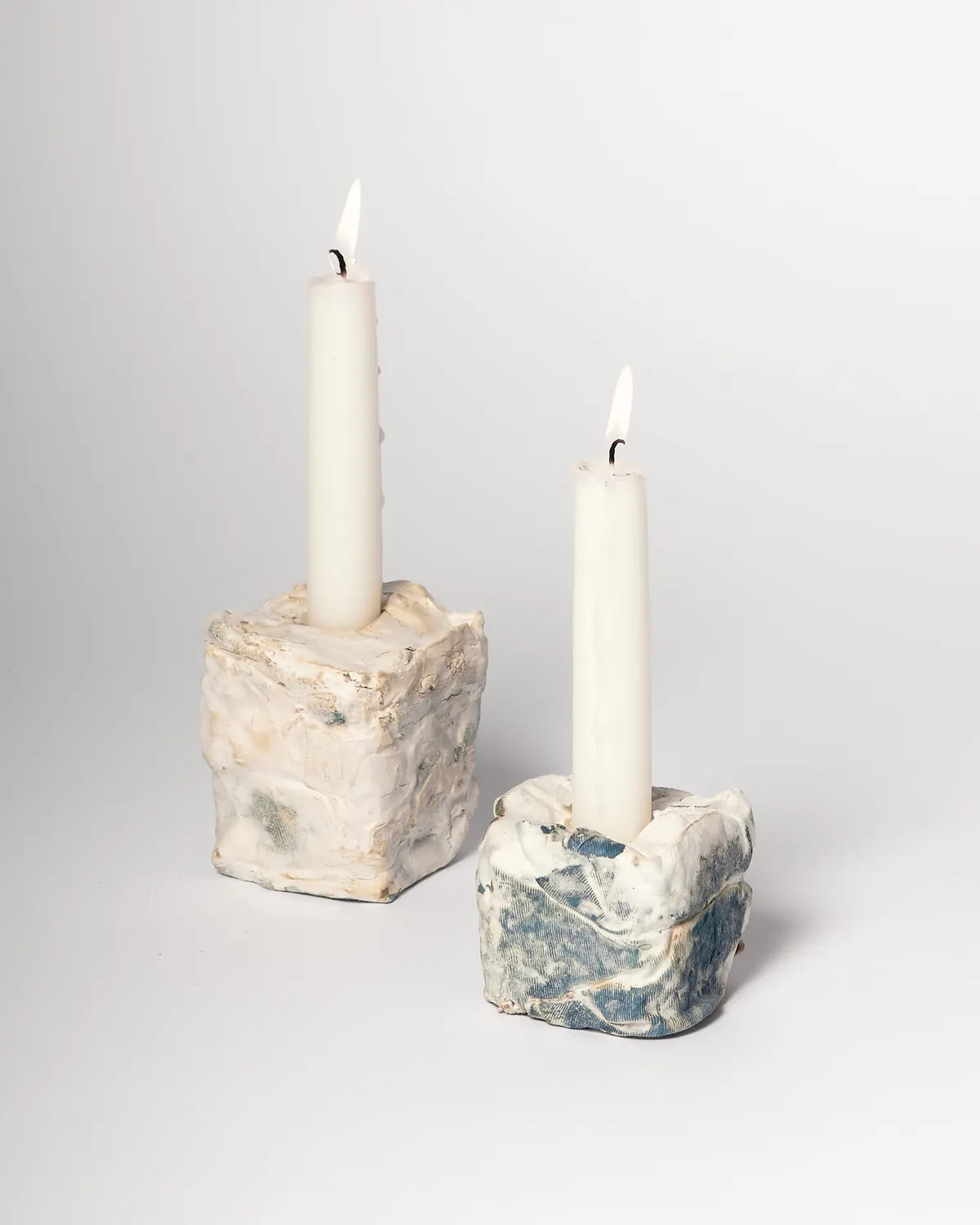
This first piece sparked a series that became the centrepiece of her work, which she titled “Hypoxic Sconce Blue” , a name inspired by large algae blooms, sea foam, and ultimately the 2017 hypoxic event in the Gulf of Mexico. This body of work led her to further explore the concept of “creation through destruction” using Mycelium. Working with the fungi has sparked much discourse and questions about mushrooms’ toxicity and danger to humans, which Bella finds contradictory. She points to the broader message of her work:
“Whenever I tell people I work with mushrooms, the first question they always ask me is if it’s toxic or dangerous. It’s not, but I always find it funny that we rarely question if what we do on Earth is toxic or dangerous. This series puts that at the forefront by using what we unnecessarily perceive to be toxic to showcase how our own accepted actions can be even more harmful to ourselves and to the planet.”
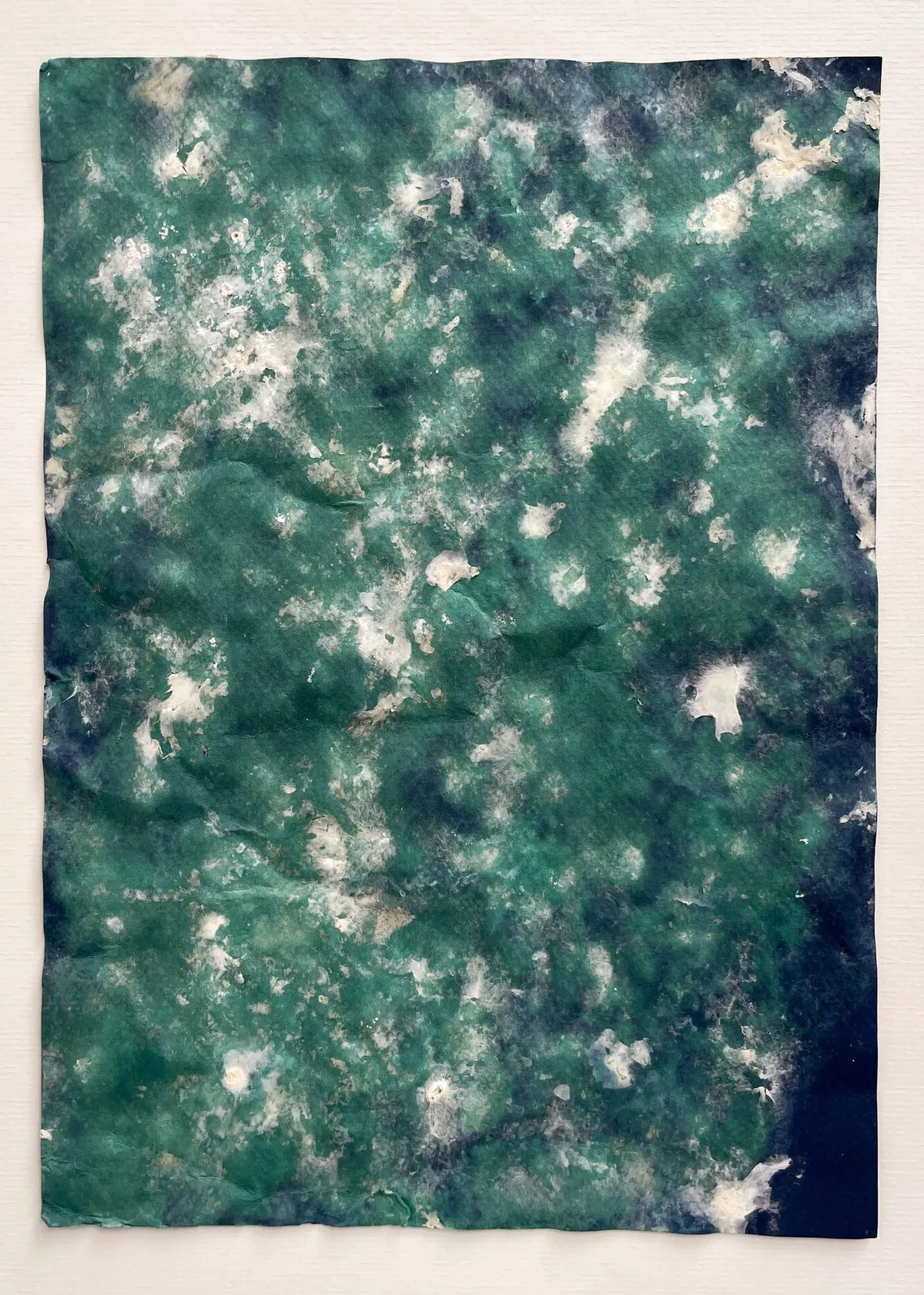
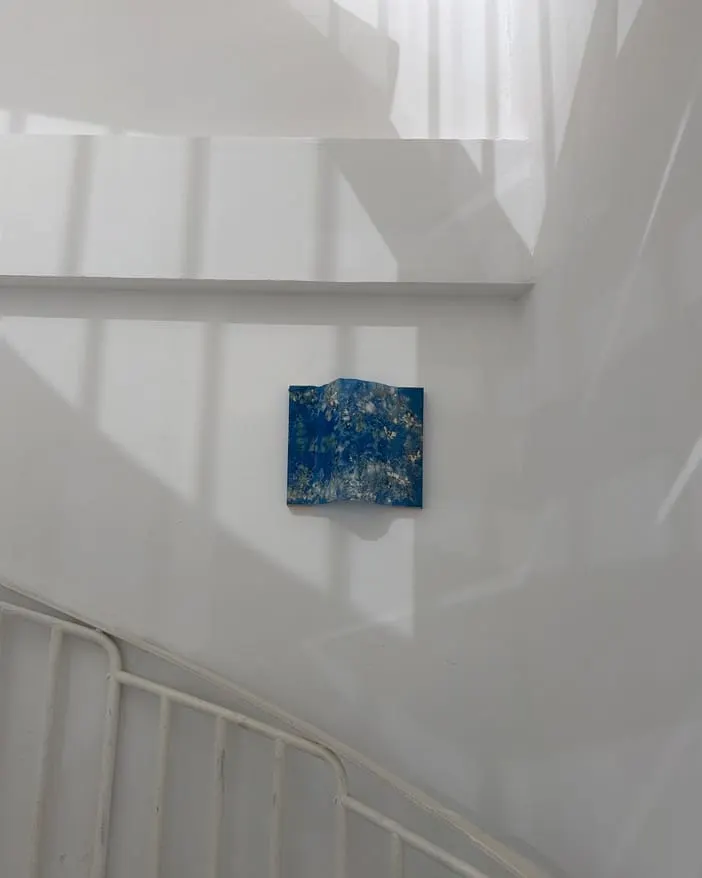
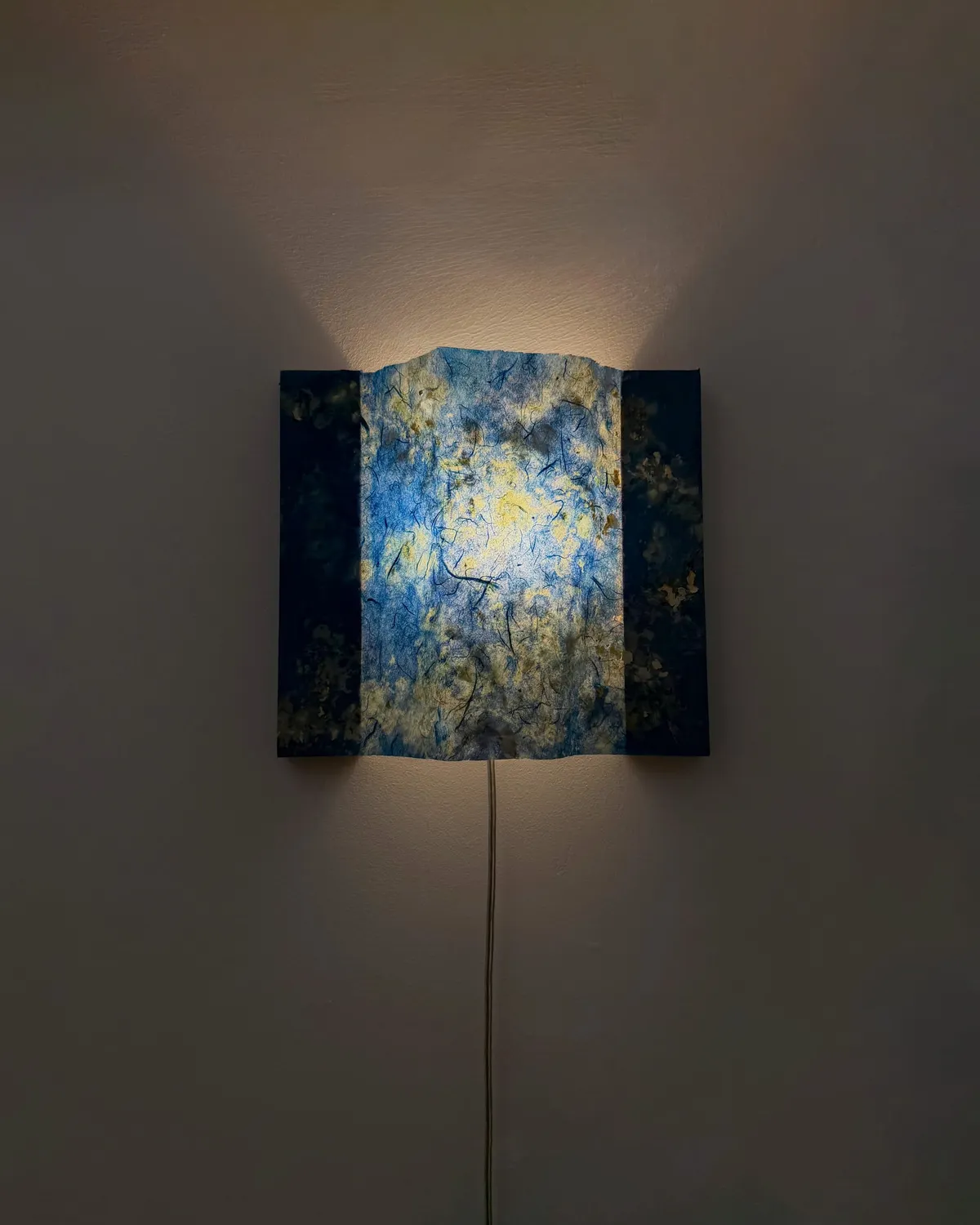
Bella’s work centres around using biological and sustainable materials like washi paper and reclaimed wood to create sconces, lamps, and even furniture. Her largest piece to date is a coffee table made entirely from shredded paper and Mycelium. Mycelium itself is a wonderfully versatile material, producing natural patterns from decaying materials and binding them together to build large-scale products. Using natural materials means Bella relinquishes a lot of control in creation. Instead, her art is about effective preparation, patient exploration, and meticulous post-care.
“My process is very low-tech and very much based in craft. I do almost everything by hand for the moment and leave room for error during trial periods and prototypes.”
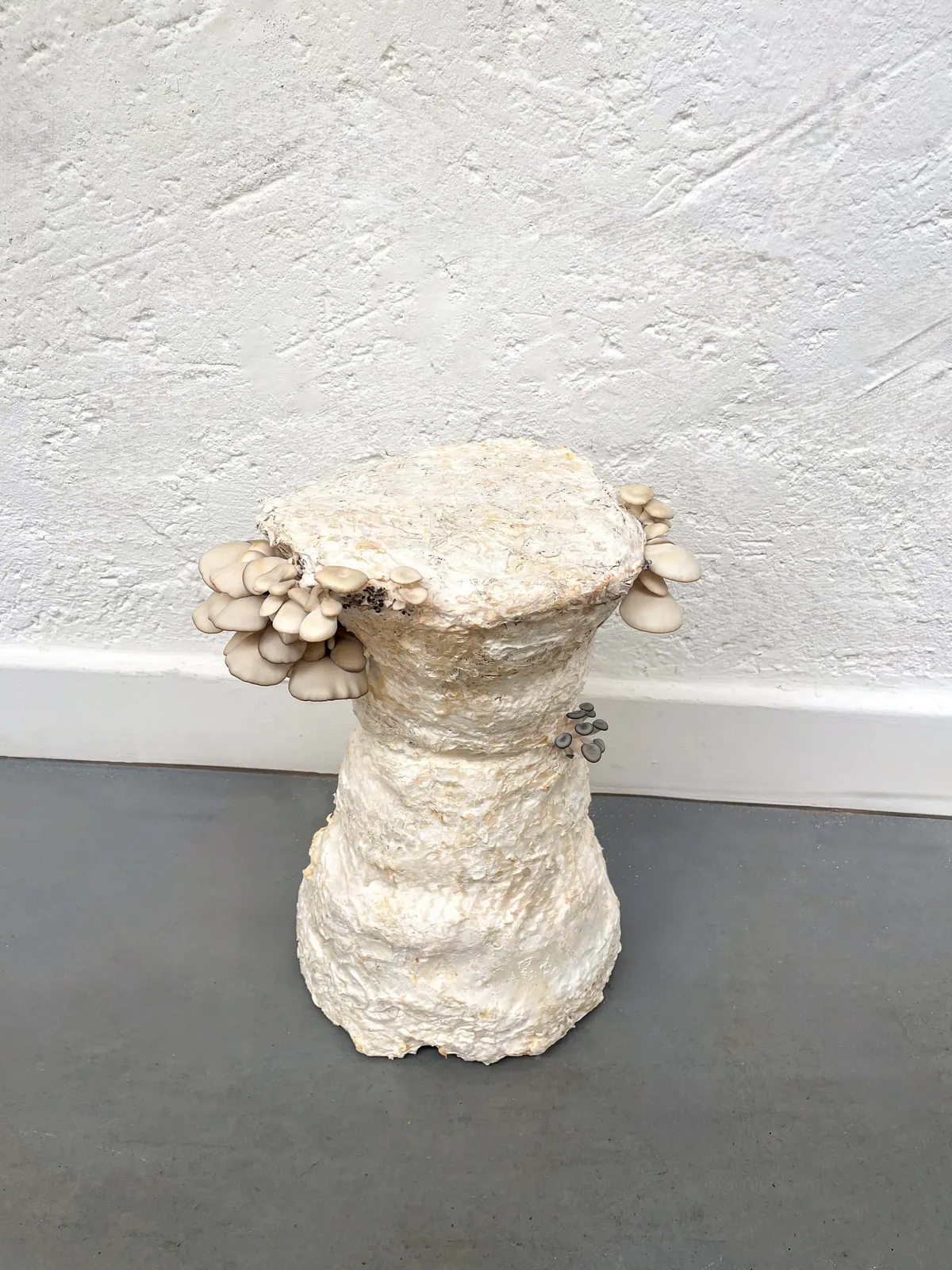
Before the collaborative process begins, she collects photos and physical objects that inspire her. If anything particularly grabs her attention, she sketches and sits on the idea for a few days to ensure she isn’t rushing into anything. Then, the longest preparation begins to ensure the Mycelium can thrive. She creates custom moulds using reclaimed cardboard and plexiglass, lets the Mycelium take shape in whichever way it chooses, and then begins the meticulous aftercare, trying to nurture the living material in the most holistic way possible.
“I let the Mycelium air-dry so that it enters a state of dormancy, not death. That way, the pieces are able to be composted at the end of their lives.”
Unfortunately, working with bio-products means her art is more susceptible to mould, a hard but necessary lesson. She recalls an experience last year when pink bread mold broke out while she was constructing a side table for an exhibition in New York City:
“Mould, especially this type of mould, will ruin any project extremely quickly. Mold and Mycelium fight for resources, and the mold is almost always stronger, killing the Mycelium and ruining the structural integrity of the piece. So there’s nothing left to do except compost it and start again.”
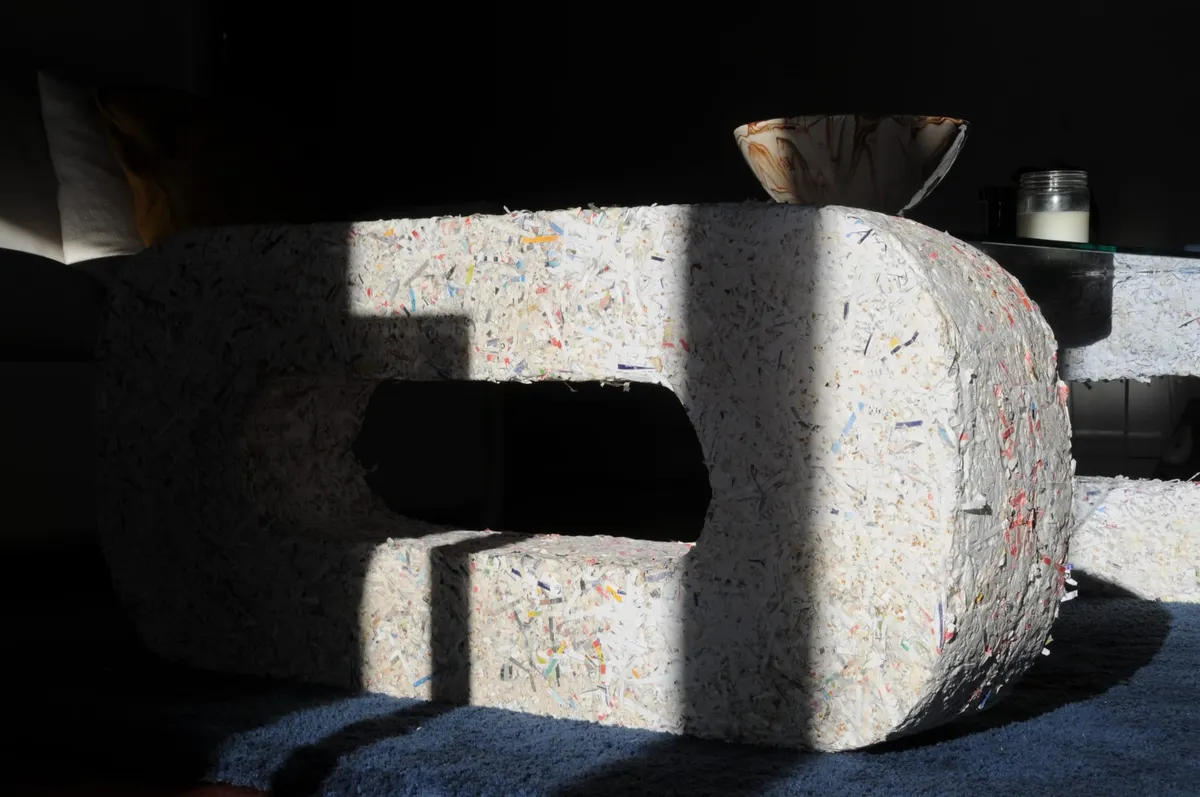
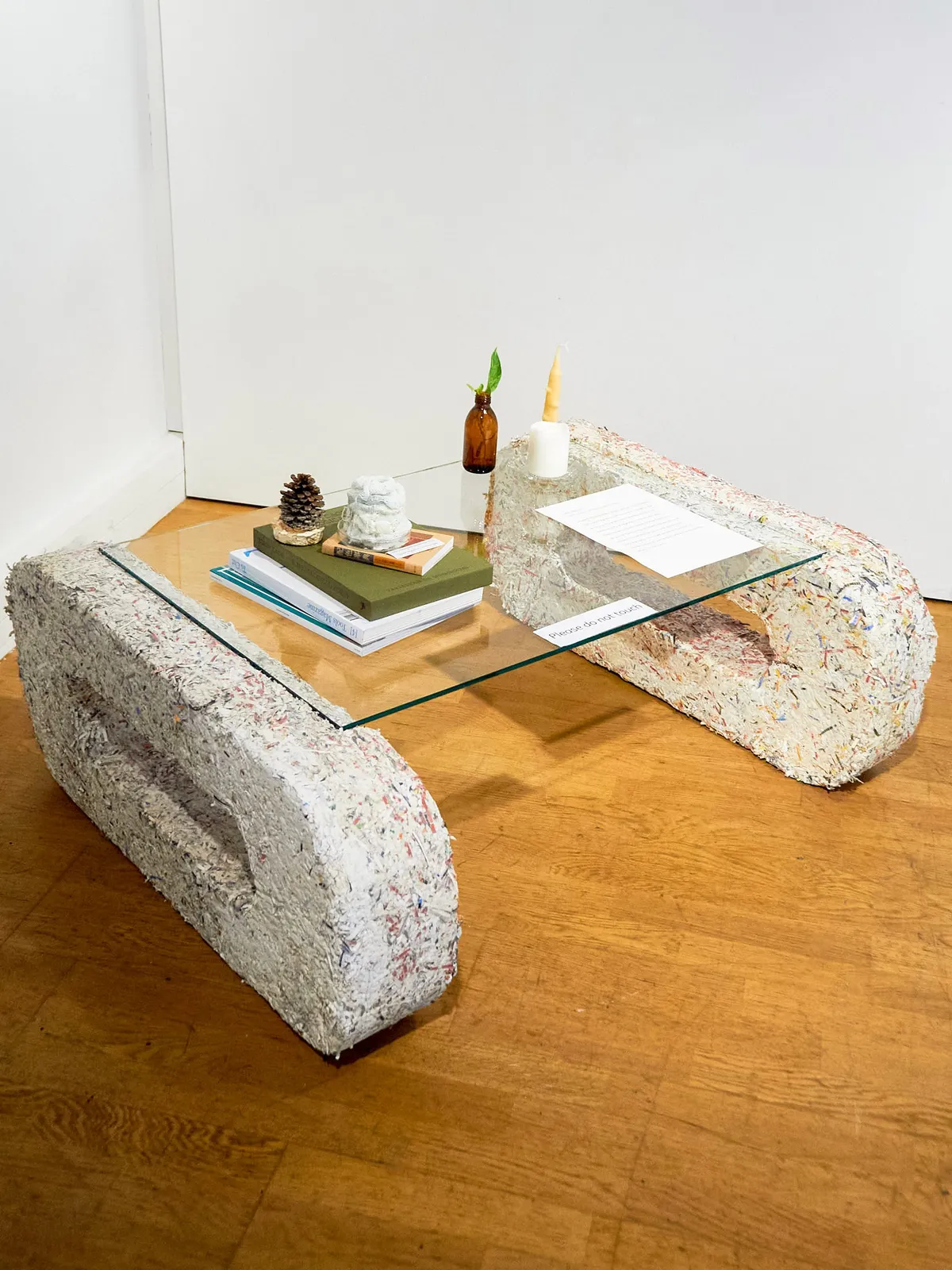
After losing two rounds of tables to the same issue, she was just days away from leaving for New York and desperate for a result. Rather than going through the process of building a new mould, she cut a corner and attempted to clean the old one, leading to her downfall.
“After three days, I noticed a small cluster of pink coming out of a piece of cardboard and knew that I would, in fact, not be okay. I had contaminated a third round of tables.”
While frustrating—and accompanied by a few tears—she learned that in the future, there would be no cutting corners. It would be an automatic restart. A large part of Bella’s art is about being cutthroat, having to relinquish control over the creative process and detach from products if they don’t turn out the way she hoped.
“It’s so hard to release myself from a project or a trial because I put so much of myself into each piece. But it’s almost like cutting off your hand to save your arm.”
Photographer: Emmaline Peach
Bella’s work doesn’t stem from one single experience or influence. Instead, she describes it as an “accumulation of random circumstances” - her childhood surrounded by nature and various readings. She reminisces about being taken to the town’s nature centre twice a week by her grandmother, an experience that left her with fond memories and a deep connection to nature:
“Spending time collecting leaves and pinecones and being close to the ground definitely helped feed my interest and captivation with nature and ecology.”
Furthermore, requiring special knowledge to work with fungi, Bella sought out books, namely Gathering Moss by Robin Wall Kimmerer and The Science of Collective Ecology by Deborah M. Gordon, that influenced how she approaches bio-design:
“I used to try to work with a more science-based approach, quelling my emotional connection to Mycelium as a way to ‘purify’ my results. I thought that if I could create an environment devoid of any external influence, I’d have better results—but that never felt quite right.”
From these readings, she has learned to build an emotional connection with the beautiful, living nature of the materials she works with.As for what she wants people to take from her work, she hopes it becomes an all-sensory experience. Going beyond just visually engaging with her pieces, she wants audiences to feel the Mycelium or lean in to take in its scent. She acknowledges that Mycelium is still a novel material for most people and receives many inquiries about her work. However, she encourages people to dig deeper for themselves. She wants audiences to see how our systems affect the other organisms we share the world with and find a new appreciation for the natural world through her art:
“I feel so honoured being able to encounter and collaborate with Mycelium that I hope they feel that same passion and respect for it as well.”
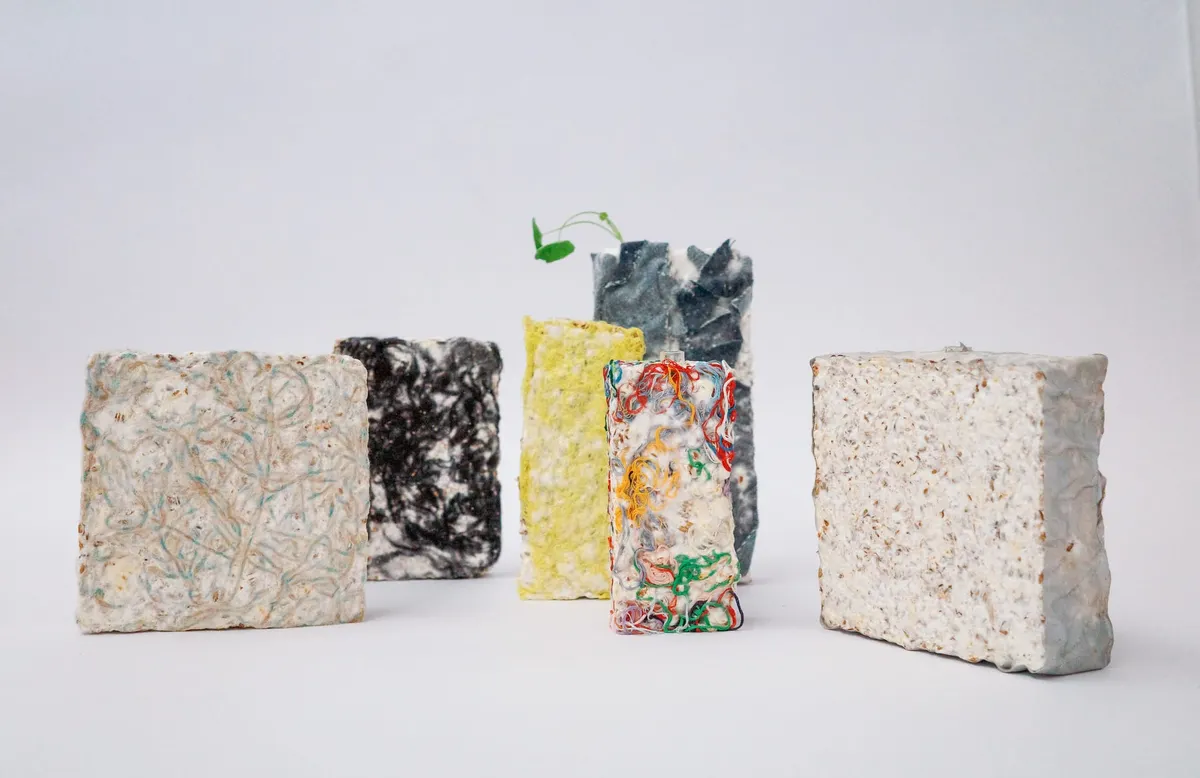
Furthermore, for artists working with live materials, she hopes they will embrace the natural imperfections of these materials instead of trying to control them. She notes that much of the Mycelium work today is almost perfectly white, uniform, and takes the form of wall panels or packaging, vastly different from the exuberant, vibrant pieces Bella creates. While she appreciates seeing people use natural materials to replace toxic ones or hazardous practices, she emphasises that this doesn’t mean you should control the material:
“There needs to be space to honour the Mycelium and the natural imperfections that come with it. I’d love it if more people embraced the organic nature of working with living materials instead of inherently looking for the fastest, cheapest, and easiest ways to control them.”
As she continues her creative collaboration with Mycelium, she hopes to put more of it into people’s hands. She aims to open an online shop before the end of the year, shifting her focus away from grant and prize applications in search of validation. She has realised that the only thing that can validate her practice is to keep practicing:
“I just want to bring Mycelium into people’s homes and create. I’m trying to navigate the best way to do that on a long-term scale.”
You can find Bella’s work in collaboration with Julie Ehme at a Paris-based fashion brand as of November 15th. Keep an eye out for her pieces to purchase for yourself.
More on INTROE Instagram