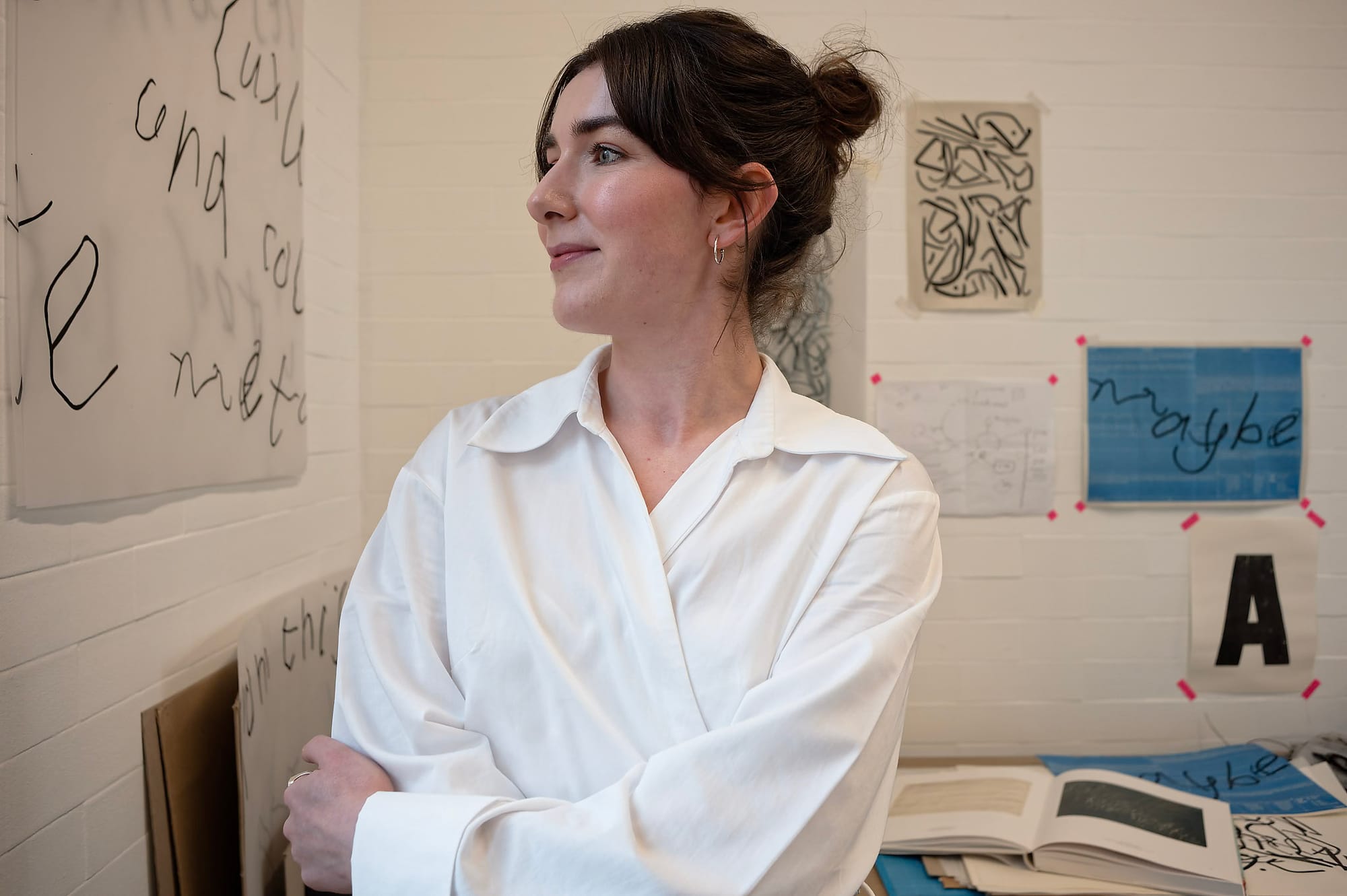
Eilish is an artist and designer who works across typography and sculptural form, cutting and shaping aluminium into pieces that sit somewhere between language and abstraction. At the centre of it is a simple idea: some things can't be put into words, so she finds another way to say them. "Communication through art," is how she puts it. Her process reflects that too. No fixed brief, no roadmap. She just starts, and lets the work tell her what it's about along the way.
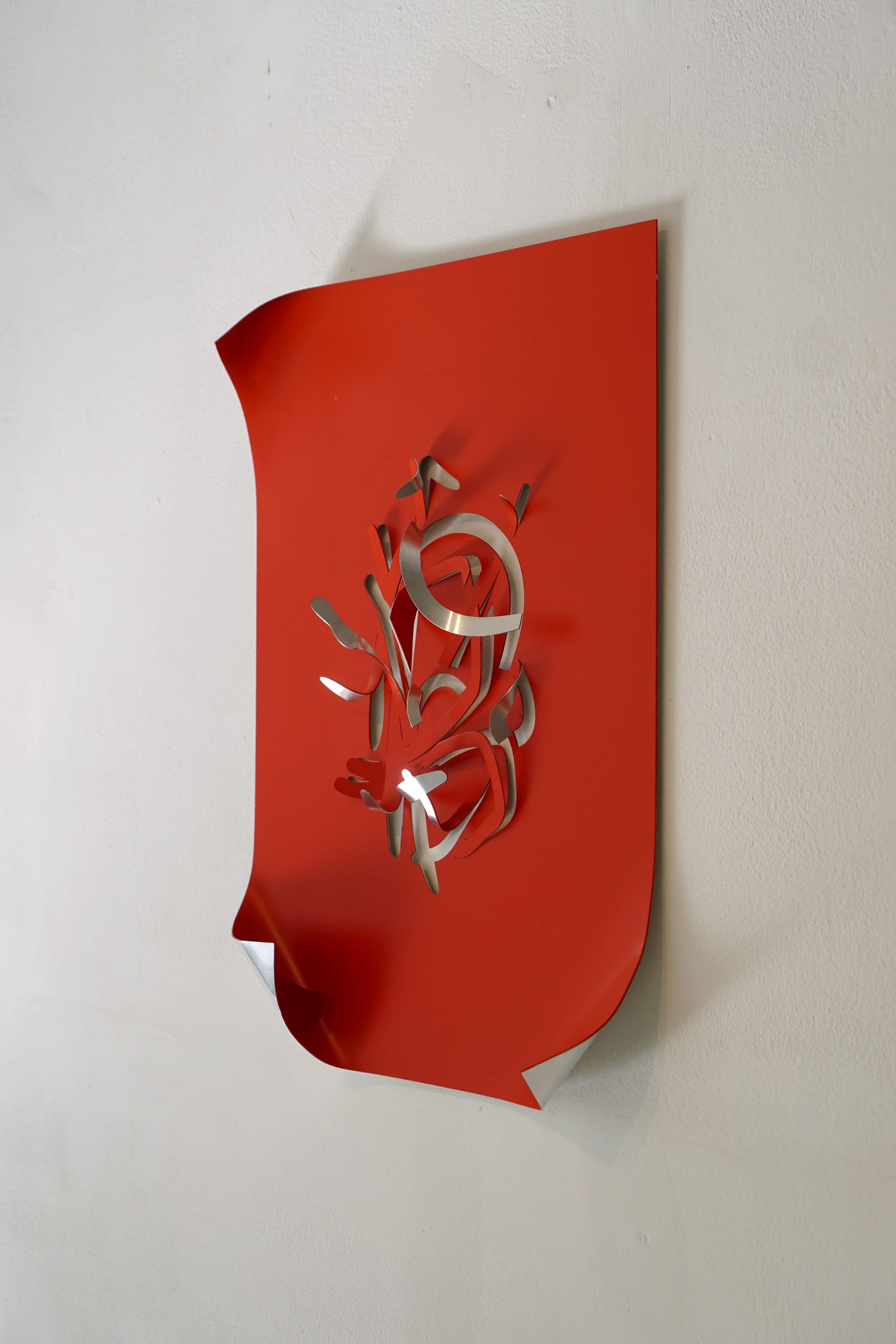
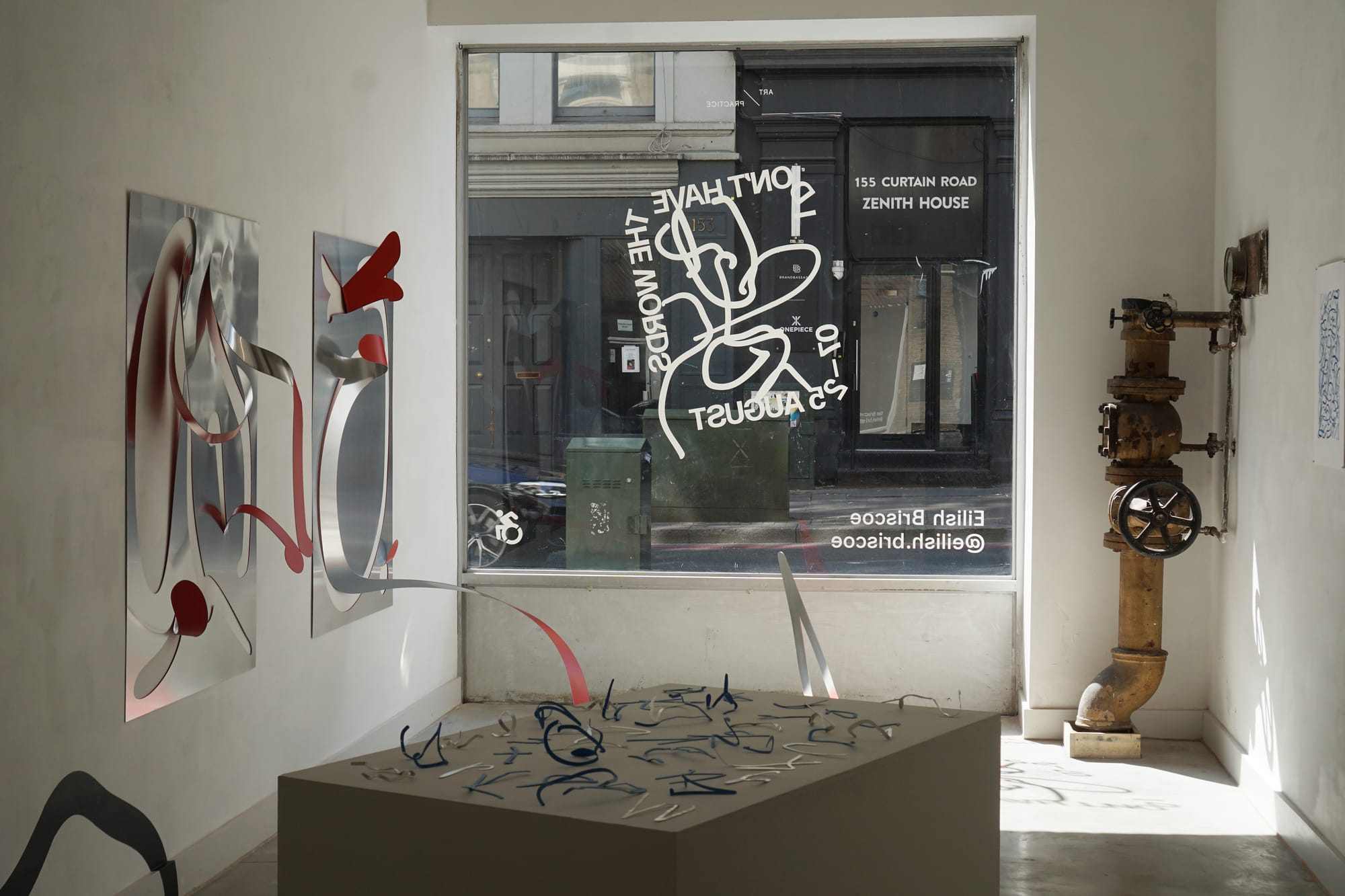
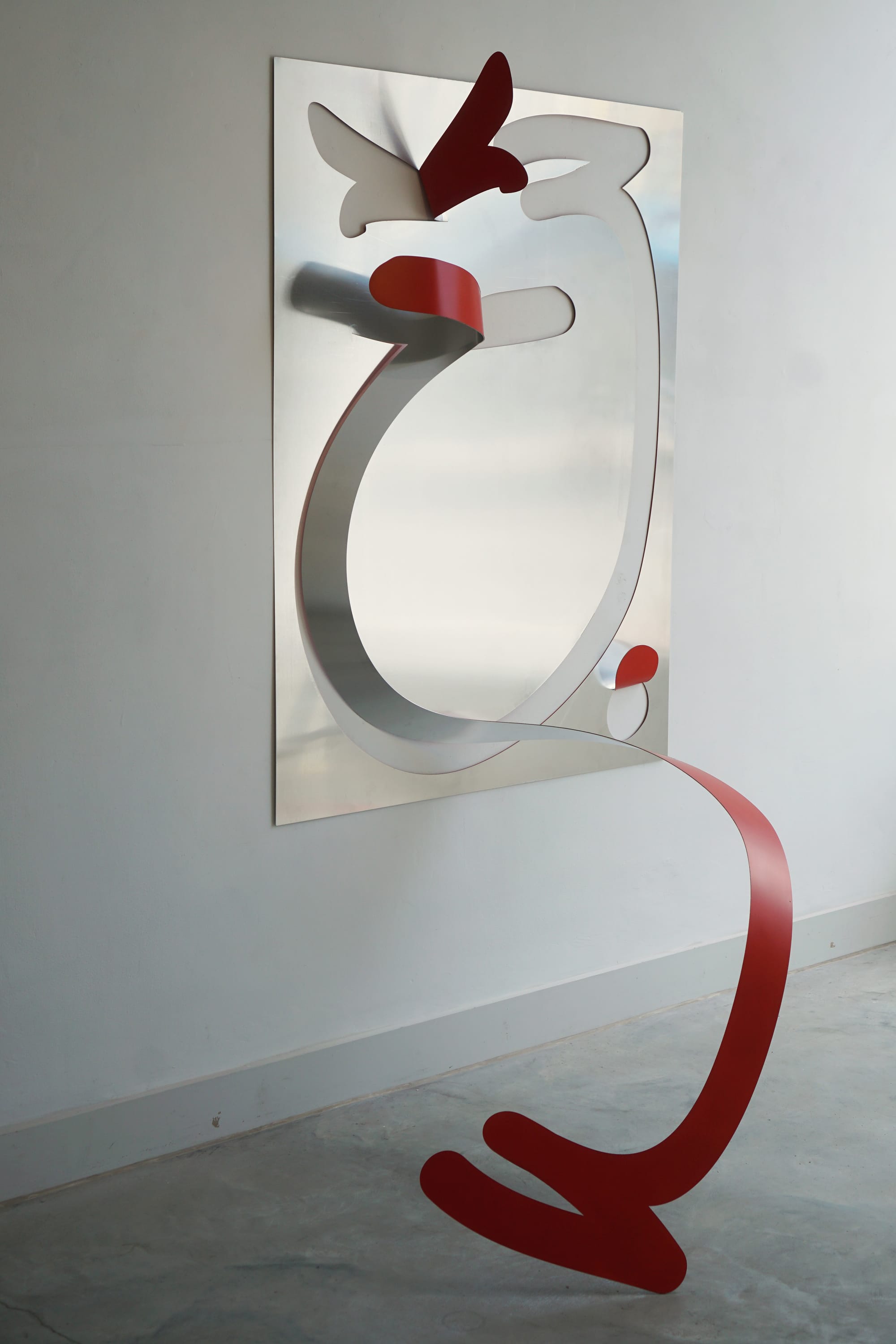
"I feel like I often don't know what I'm making until I've made it," she says. "Once it’s created I’ll reflect on what I feel it’s saying."
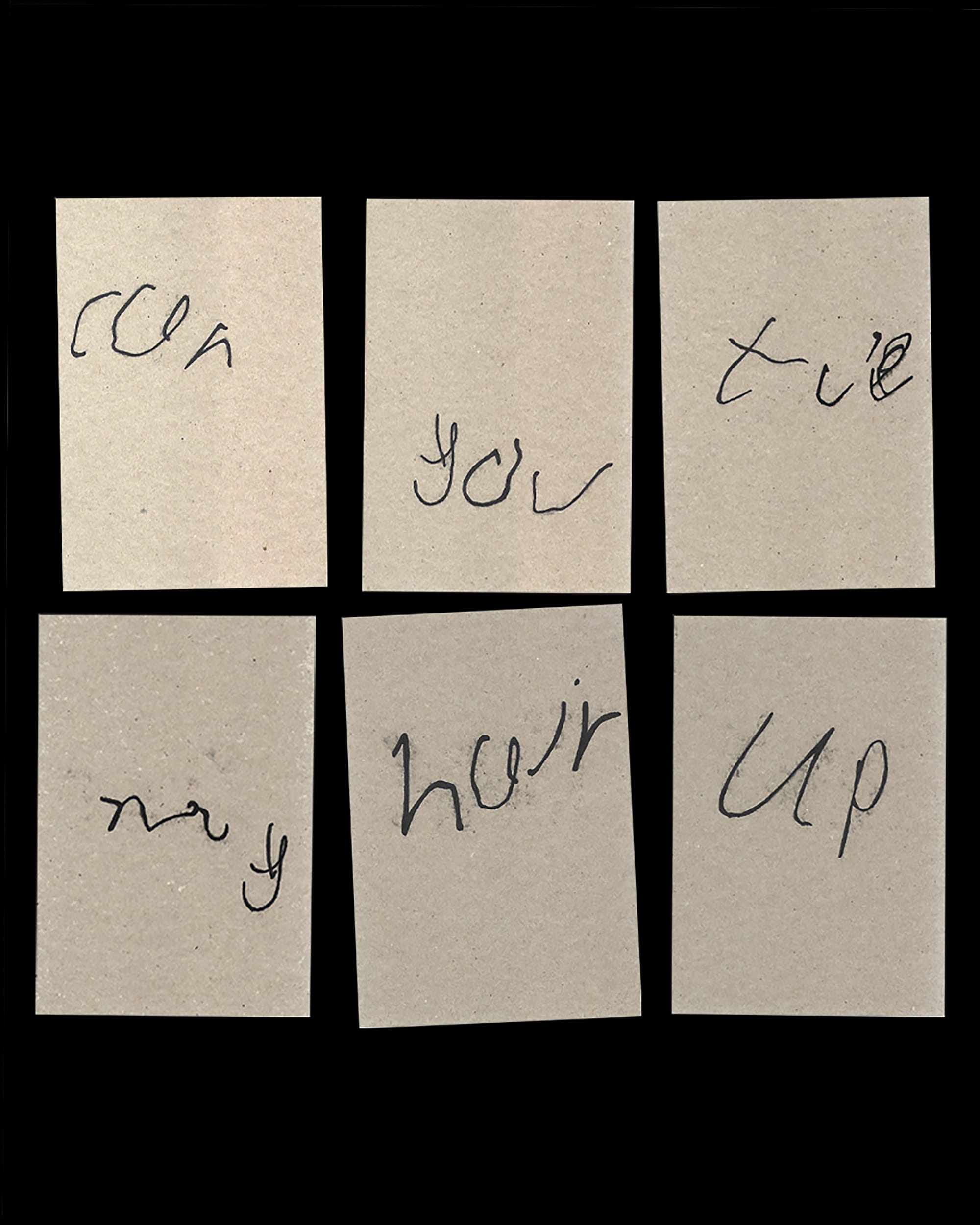
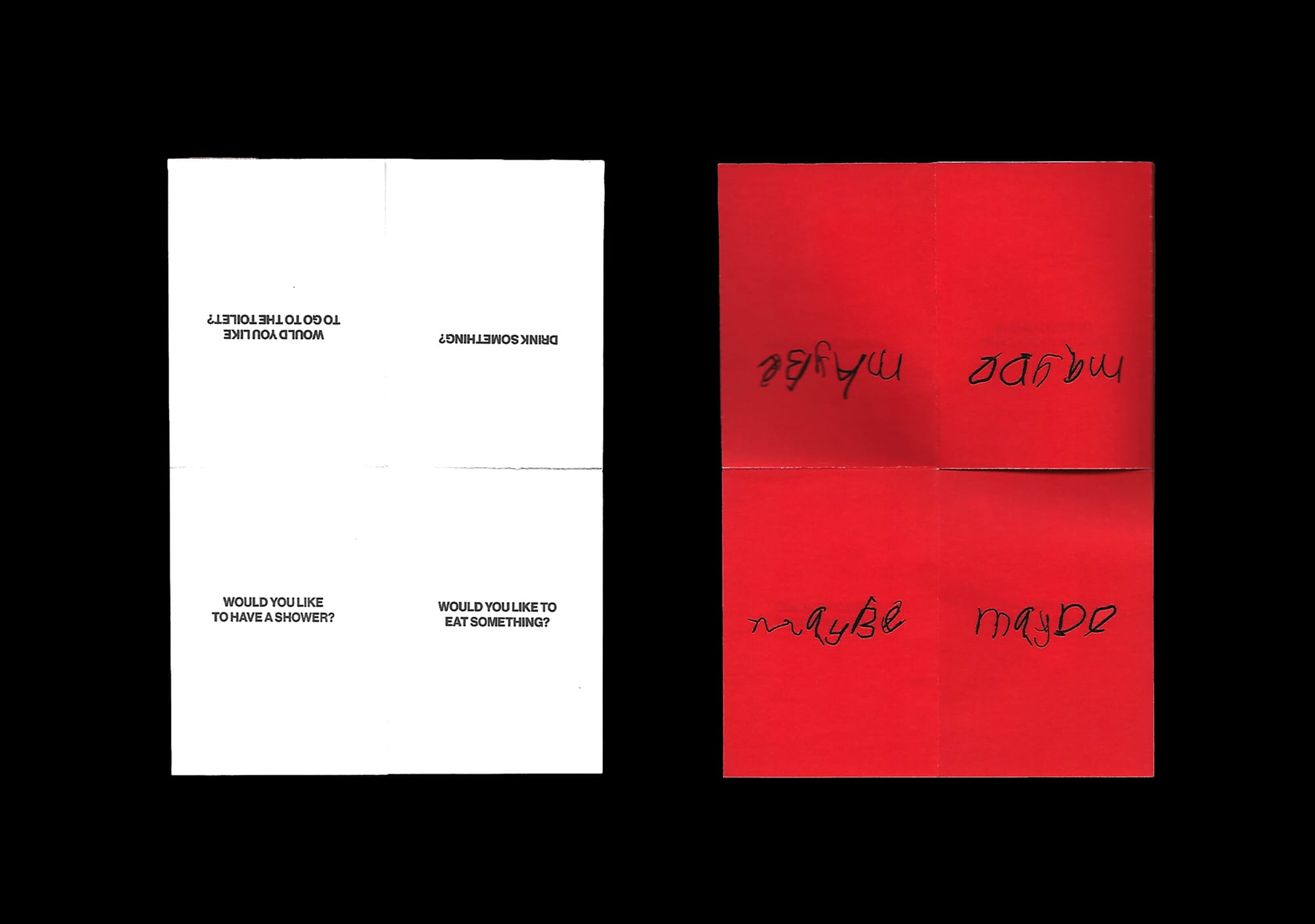
A stroke in her mid-twenties left her with dysgraphia, a condition that affects written communication following a brain injury, something she speaks to directly in the maybe typeface specimen itself, which cites that roughly 1 in 4 strokes happen in people under 65, and around 15% of survivors go on to experience some form of aphasia. For Briscoe, that experience became a driving force behind her practice. Making art gave her a way to process what had happened and communicate it to others, at her own pace. "I find making art is a form of therapy," she says. "I can explore how I feel about something and stay with it for as long as I want, letting it go and communicating it to others when I'm ready."
Her recovery is the origin of her typeface, maybe, built by extracting characters from her own handwriting in the early days of relearning to write. It remains the project that shaped her practice most. "The project taught me so much about the power of being vulnerable," she says.

"I hope my work makes people reflect how magical communication is, and that it can come in many different forms."
"Making art has been the only thing I've felt truly confident in," she says, "perhaps because there are no right answers." She doesn't imagine a version of her life where she stops.
Her advice to people starting out is exactly as direct as you'd expect: "Just make a start, and don't be afraid to play."
On the industry, she's clear about what needs to change. More affordable studios. Real mentorship. More opportunities to exhibit. And generally more honesty about how creative people are supposed to support themselves financially, a conversation she feels is still missing.
As for what's next, she isn't entirely sure yet. What she does know is that she wants the work to get more sculptural, with ceramics and printmaking high on the list of mediums she's hoping to explore.
Follow us on Instagram for more.