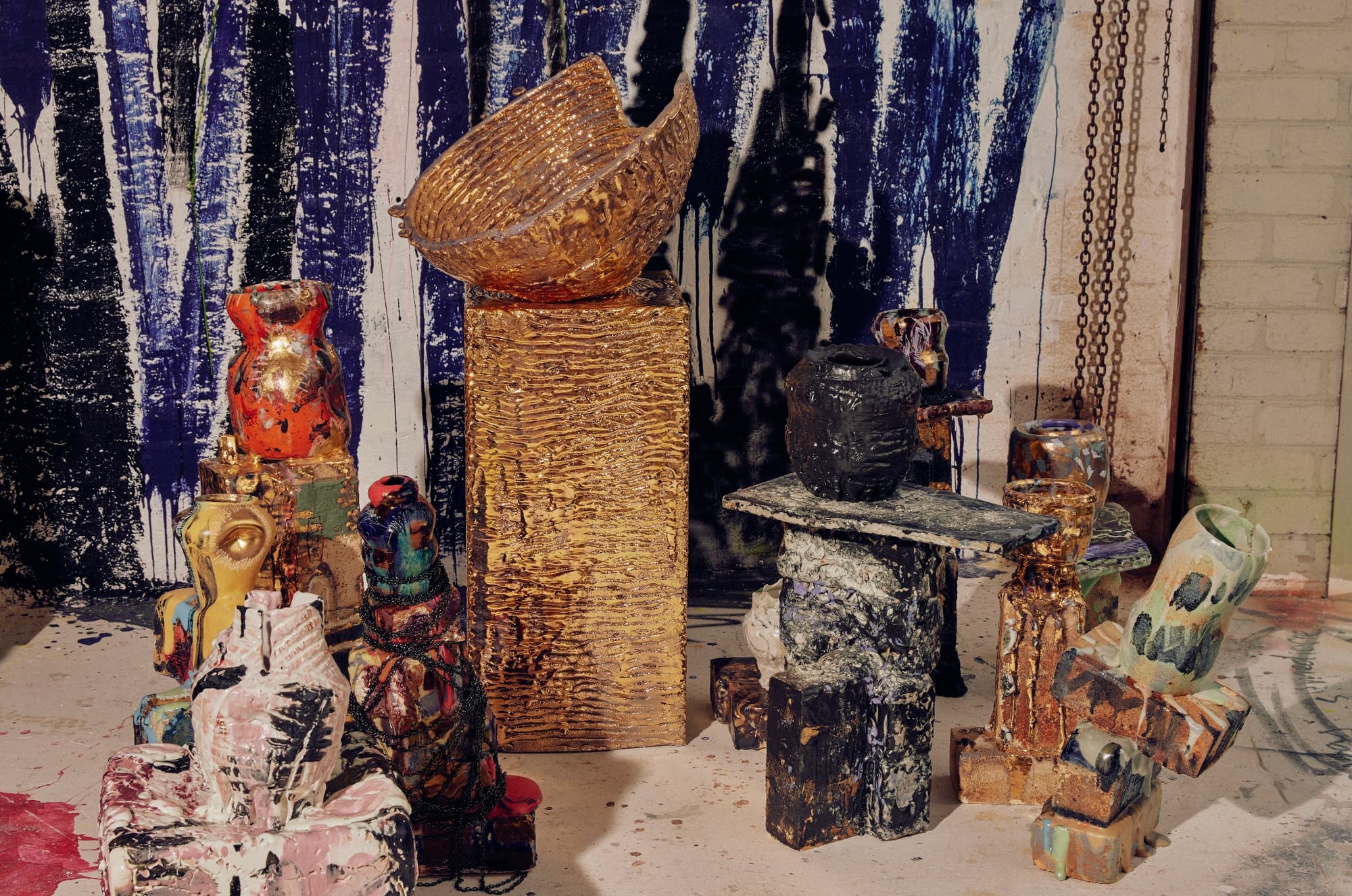
There is a very specific kind of madness that comes with watching the world burn in real-time. For James, that madness hit a breaking point during Melbourne’s Black Summer. Standing under an apocalyptically orange sky thick with the smoke of a billion lost animals, followed immediately by the isolating whiplash of a global pandemic, a heavy question took root, 'How do you actually process death on an unstoppable, ecological scale?'
The answer was ancient, messy, and instinctive, "you do what humans have always done, and you build monuments to the lost".
Describing their own work in three completely unapologetic words, 'Apocalyptic, Ran-through, Kvnty' the artist blends deep cosmic mourning and a fierce, club-ready defiance. Having recently packed up their life and moved to London after years of building a practice across New Zealand and Australia, they are stepping into a new chapter steeped in the high drama of total isolation and geographic whiplash.
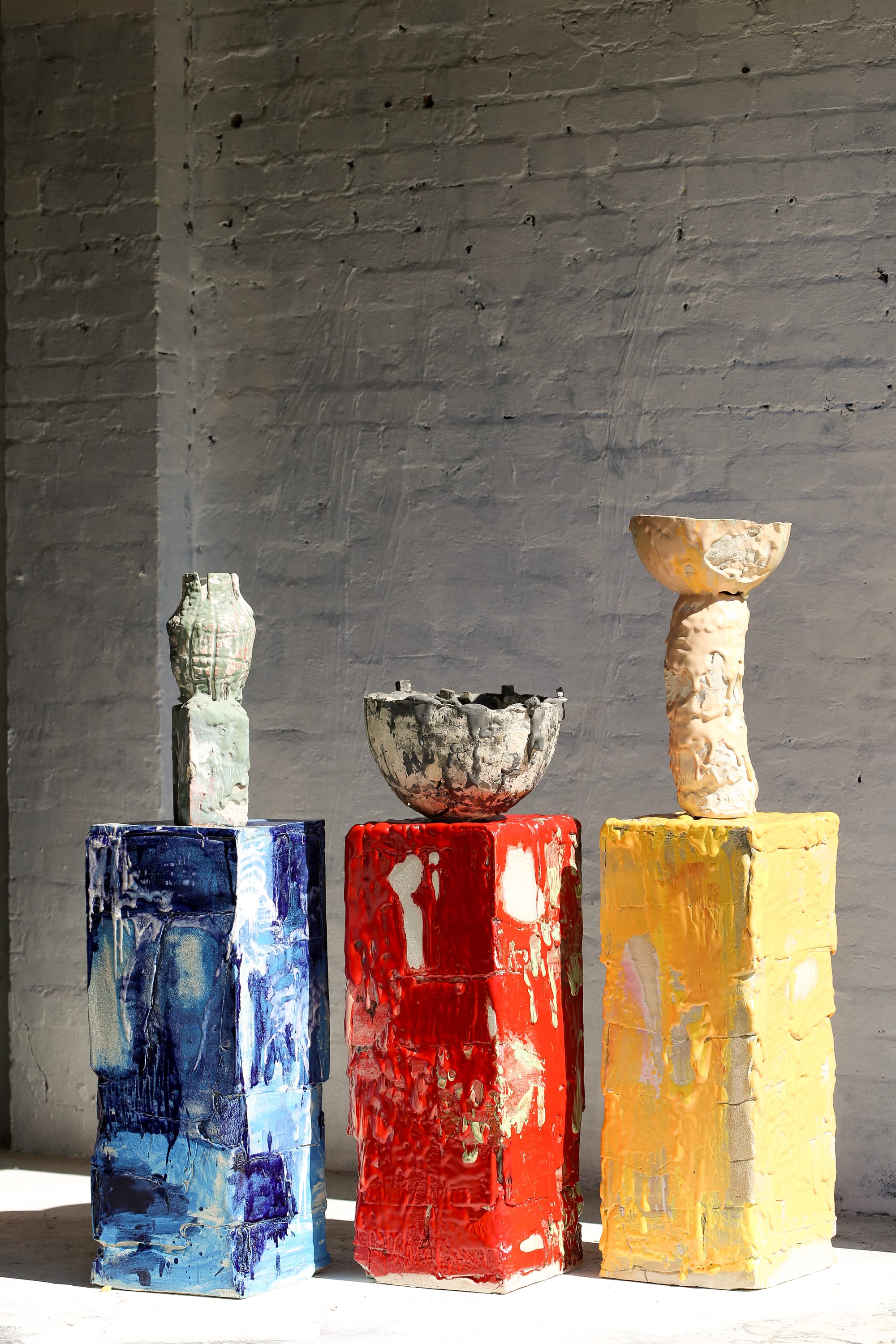
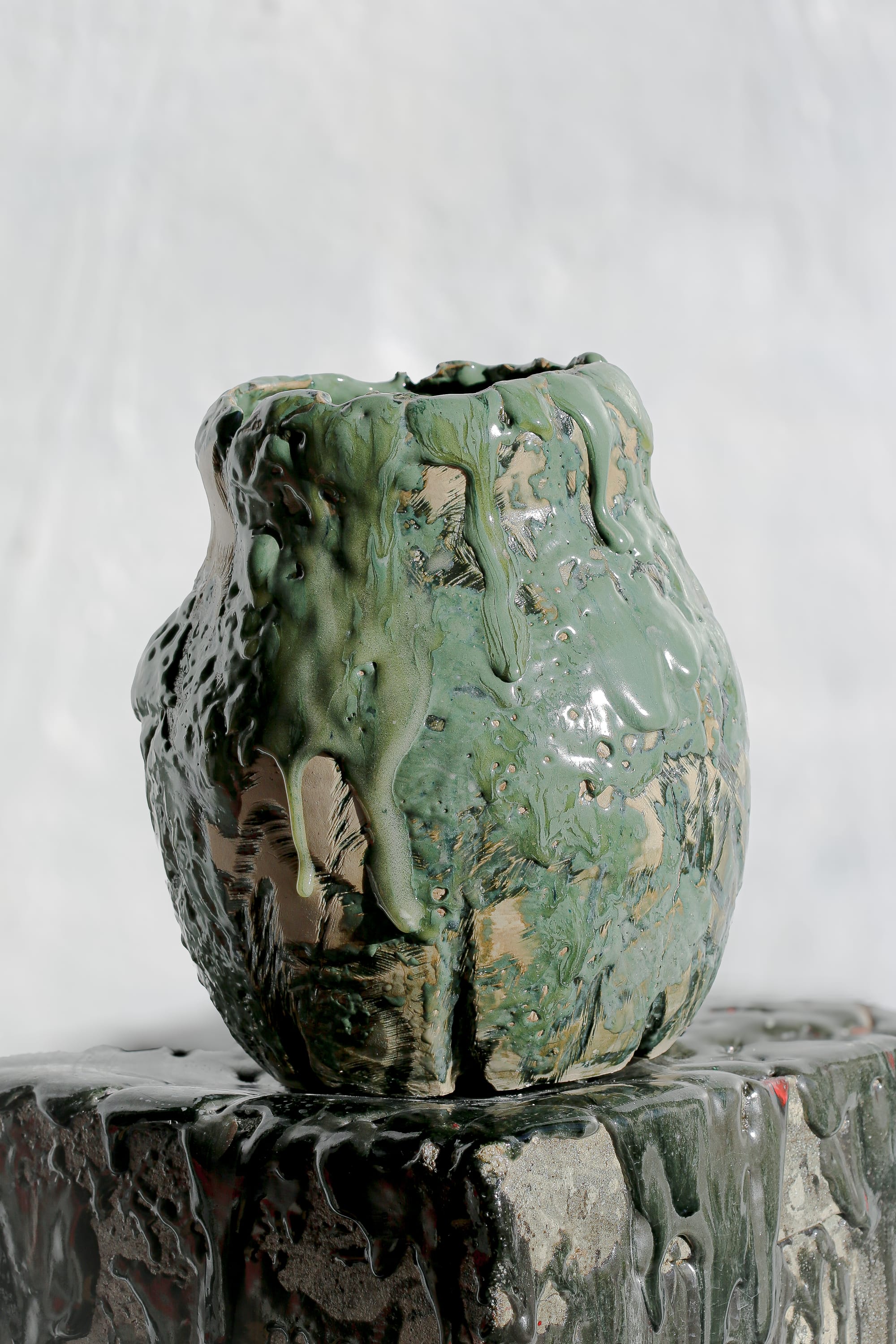
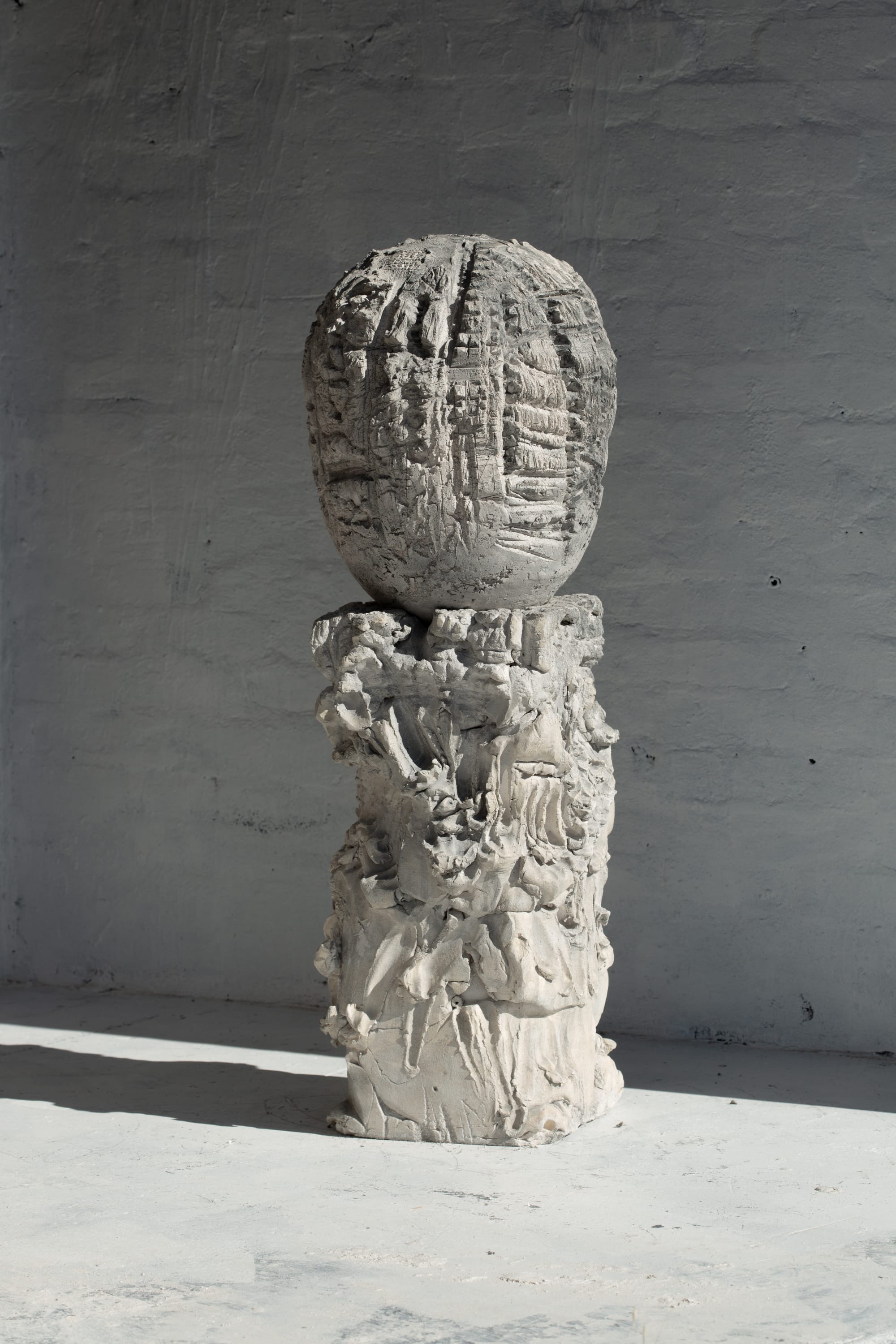
At the absolute core of their work is an unexpected obsession of insects. "The methodology behind my process was birthed from my fascination with insects," they say. "I am a gardener at heart." Having grown up wandering through veggie patches, they developed a massive reverence for the earth. But as our climate slides deeper into decay, bugs have become their canary in the coal mine. By studying the vessel makers, the architects, and the tunnelers of the insect world, they birthed a personal philosophy called 'Sphexishness.'
Named after the sphex wasp, a creature once dismissed as mindless, robotic automation, only to later be revealed as deeply sensitive and intelligent, the process is a delicate, ritualistic balancing act. "It is a methodology that is both mindful and mindless," James explains. "A cosmic process between life, death, and mud."
"By submitting the body to processing mud, the way life has for eons, something is given back in exchange, a glimpse of some sort of truth, I think. Perhaps a morsel of hope."
To look at this practice is to see a total surrender to the natural order. It is a physical reaction that feels less like stiff fine art and more like dance, where the music hits, and suddenly your body is bouncing in step with something cosmic. "There is an irresistibility to it. It must be done... And this is good. In a biblical way."
This heavy, instinctual approach was perhaps most beautifully realised in their 2025 body of work, The Mouse, exhibited alongside collaborators Andy and Mitch at Oigall Projects in Naarm (Melbourne). Stripped of flashy scales or manipulated gallery spaces, the exhibition served as a quiet, heartbreaking votive for their late dog, Beatrix. It was a raw capture of a soul forged in the twin fires of love and sorrow, horribly earnest, and utterly devastating.
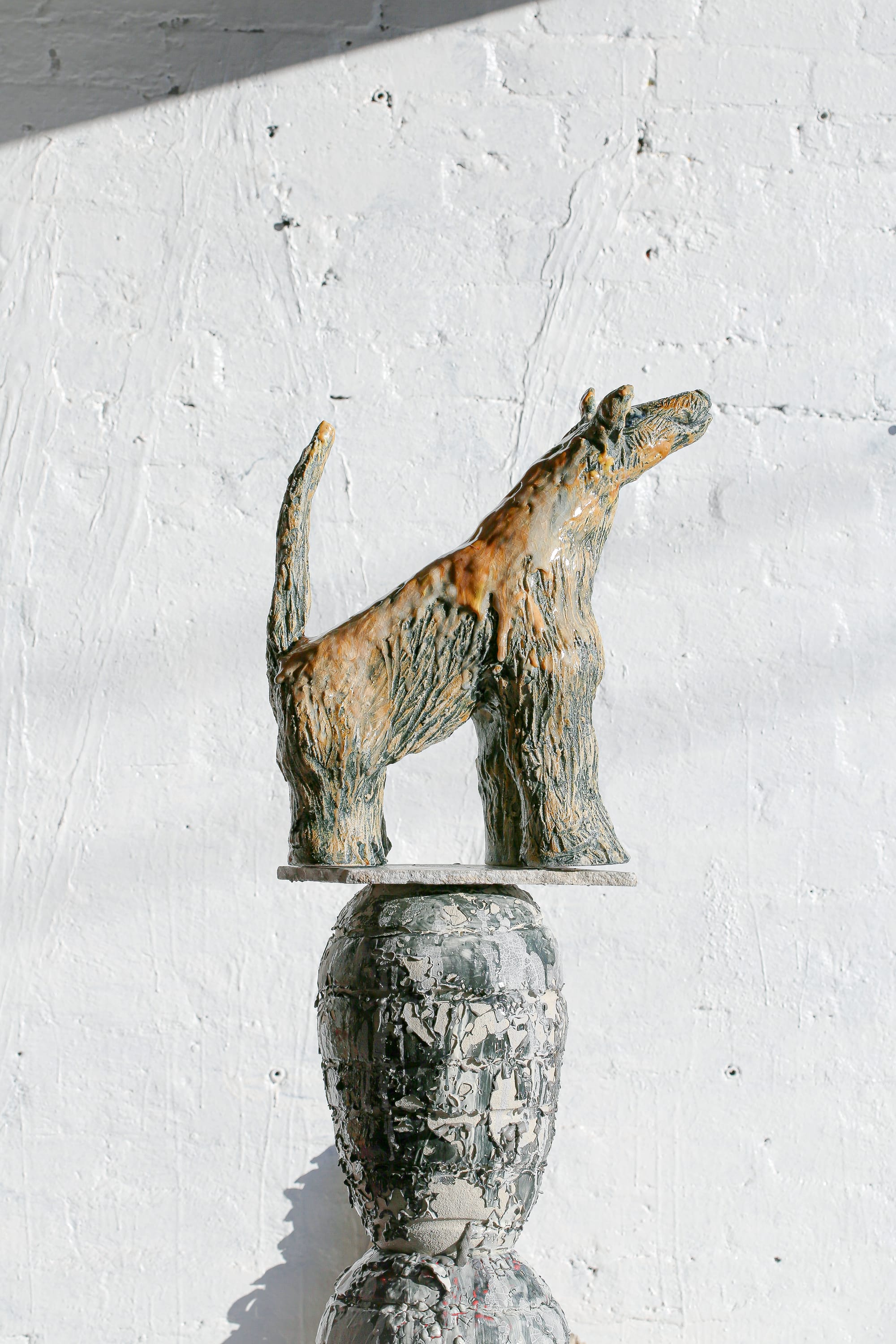
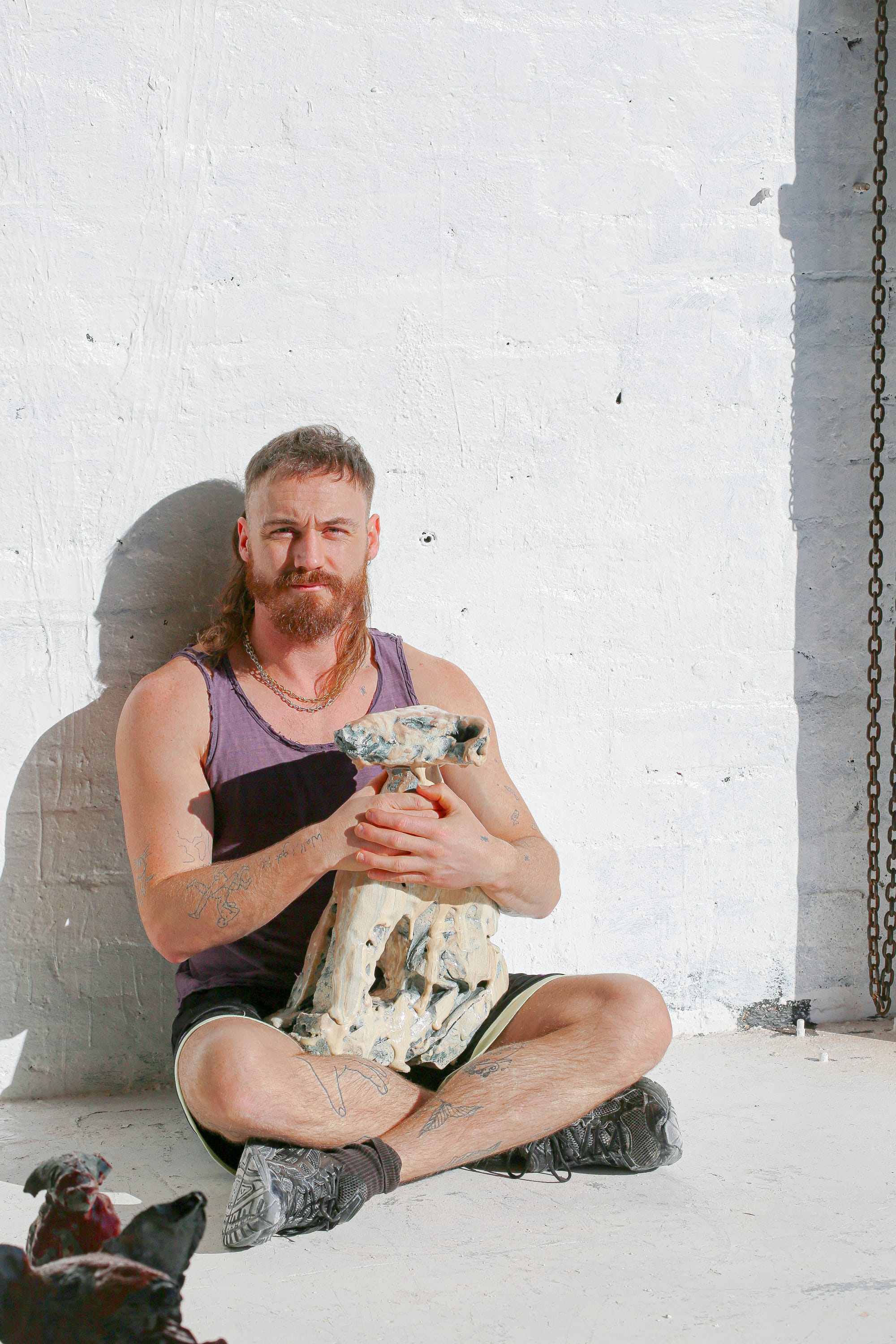
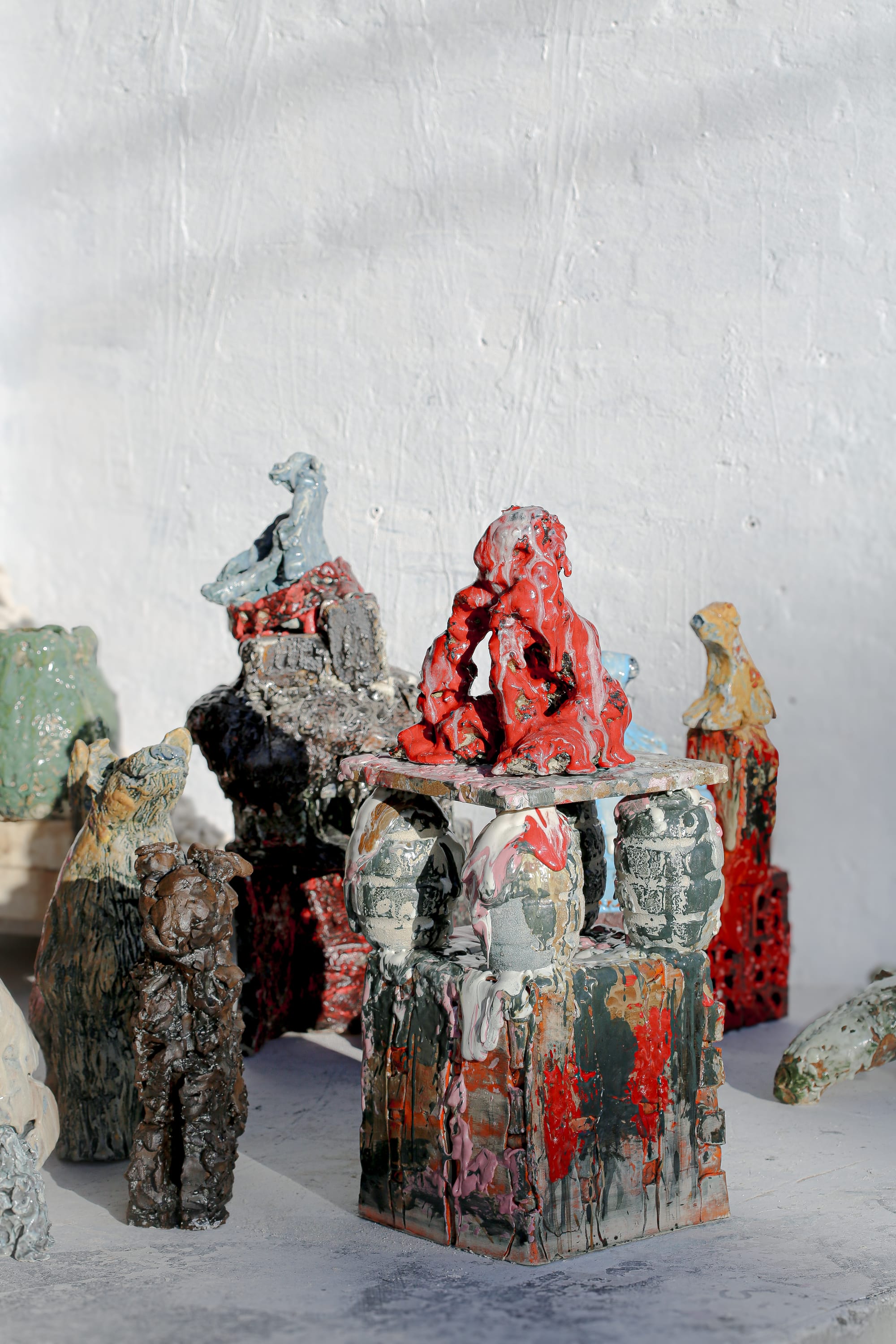
Now, London is providing a fresh, chaotic backdrop. The artist is channeling the uncertainty of moving to the other side of the world into entirely new mediums, specifically sound and movement. "I am writing some music at the moment, which is thrilling if endlessly tormenting," James says. Working with their voice and teaching themselves sonic landscapes outside of formal schooling has proven to be an agonizing yet deeply gratifying hurdle. A small EP is slated for the coming year. "Will it be any good? Probably not, but that is not really my business."
For an artist whose path felt entirely predestined, "the people who make art probably always were going to", the focus remains heavily on the necessity of creative obsession. When asked what advice they would give to the next generation of creatives, the response is beautifully blunt, "Be a f*ckin nerd about it. Invest your mind and time into the things YOU find genuinely interesting and challenging. Nerds are what make the world go around."
Yet, while the drive to create is free, survival is expensive. Looking at the wider creative landscape, James points a finger not at the industry itself, but at the nature of modern patronage. True masterworks require liberation from the grueling anxieties of capitalism. "I want patrons to return in a serious way," they urge. "If you do not come from money but are brilliant, the constant threat of rising rent is not conducive to making meaningful work. Artists of any discipline should be routinely housed for two years at a time, in a lovely home with a studio, with the burden of survival lifted." They humorously add "I am no sugar baby, but honestly, it would be lovely."
Until the patrons step up, James will continue to dig through the mud, translating the drama of survival into something beautifully, devastatingly kvnty.